
Green tea is more than just a soothing beverage. It’s a powerhouse of antioxidants that offer numerous health benefits.
These antioxidants, particularly catechins, are known for their ability to combat oxidative stress. This makes green tea a popular choice for health-conscious individuals.
But what exactly are these antioxidants, and how do they work? Understanding the chemistry of green tea can unlock its full potential.
The most potent antioxidant in green tea is epigallocatechin gallate (EGCG). This compound is linked to many of the tea’s health benefits.
From boosting metabolism to improving brain function, green tea’s effects are wide-ranging. It can even help reduce the risk of chronic diseases.
However, like any health remedy, it’s important to know both the benefits and potential side effects.
In this article, we’ll explore the secrets of green tea antioxidants. We’ll delve into its chemistry, health benefits, and how to incorporate it into your daily routine.
Whether you’re a tea enthusiast or new to green tea, there’s much to discover.

What Is Green Tea? Origins, Types, and Traditions
Green tea has a rich history, stretching back thousands of years. It’s believed to have originated in China, where it was first used for medicinal purposes. Today, it’s enjoyed worldwide, celebrated for its health benefits and delicate flavor.
The variety of green tea types is astounding. Different growing conditions, processing methods, and traditions contribute to this diversity. Each type has unique characteristics, from flavor to antioxidant content.
Here’s a look at some popular green tea types:
- Sencha: A Japanese favorite, known for its grassy flavor and vibrant color.
- Matcha: Stone-ground and vivid green, offering a creamy texture and powerful antioxidants.
- Longjing (Dragon Well): Famous in China for its flat leaves and sweet, nutty taste.
- Gunpowder: Named for its pellet-like shape, it has a robust, slightly smoky flavor.
In Japan and China, green tea plays a crucial role in cultural ceremonies. The Japanese tea ceremony, or chanoyu, is a meditative practice focusing on preparation and presentation. Similarly, in China, tea tasting is an art, emphasizing aroma and taste.
The traditions surrounding green tea vary by region. In Morocco, mint is often added, creating a refreshing drink. In Tibet, it’s mixed with butter and salt, forming a unique concoction.
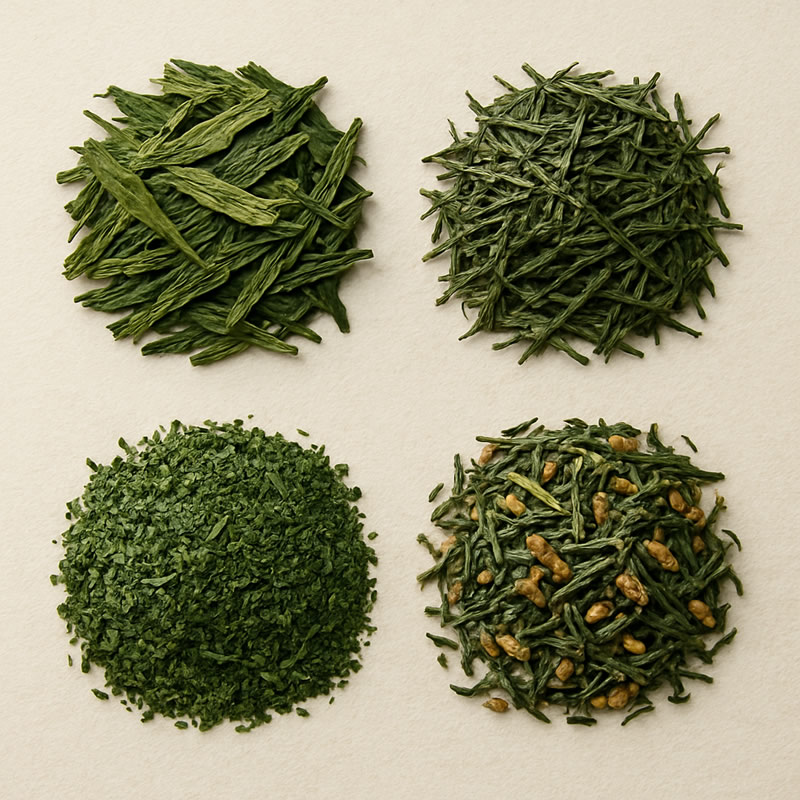
Green tea isn’t only a beverage; it represents history, culture, and wellness. Each sip connects us to ancient traditions and generations of knowledge. Understanding the origins and types of green tea adds depth to its appreciation.
The Chemistry of Green Tea: Key Compounds and Their Roles
Green tea’s chemistry is both fascinating and complex. Its richness comes from various compounds that work in harmony. These compounds are responsible for the health benefits that green tea is known for.
Catechins, a type of polyphenol, are the stars of green tea. They exhibit powerful antioxidant properties that help in neutralizing free radicals. The most notable among them is epigallocatechin gallate (EGCG), celebrated for its health-promoting abilities.
Caffeine, another component, offers a gentle energy boost. It’s less concentrated in green tea than in coffee, making it a great option for sustained alertness without jitters. Together with the amino acid L-theanine, caffeine boosts focus and relaxation.
The presence of tannins in green tea can also influence its flavor profile. Tannins provide a slight astringency, balancing the drink’s natural sweetness. They also contribute to the tea’s overall antioxidant activity.
Here’s a closer look at key compounds in green tea:
- Catechins: Antioxidants that fight inflammation and oxidative stress.
- L-Theanine: An amino acid that enhances relaxation and focus.
- Vitamins: Green tea contains vitamin C and other micronutrients for general health.
- Minerals: Trace minerals support bodily functions.
Chlorophyll gives green tea its distinctive green color and contributes to its potential detoxifying properties. Meanwhile, saponins are thought to enhance immune function and cardiovascular health.

Understanding these compounds unveils why green tea is so beneficial. Its chemistry transforms it from a mere drink into a holistic health ally. By delving into these elements, we appreciate both its science and its role in wellness.
Antioxidants in Green Tea: What Are They and How Do They Work?
Green tea is a powerhouse of antioxidants, crucial for health. These antioxidants, primarily catechins, are potent flavonoids found abundantly in green tea leaves. They play a significant role in protecting cells from damage caused by free radicals.
Free radicals are unstable molecules that can lead to oxidative stress, contributing to chronic diseases. Antioxidants work by neutralizing these harmful molecules, reducing the risk of illnesses. This makes green tea a natural defense against conditions linked to oxidative stress.
Among the catechins, epigallocatechin gallate (EGCG) stands out. EGCG is recognized for its exceptional potency and numerous health benefits. It helps reduce inflammation, aids in weight loss, and even lowers the risk of some cancers.

Beyond catechins, green tea also contains other antioxidants like quercetin and chlorogenic acid. These compounds further enhance its protective effects against oxidative stress and contribute to its overall health benefits.
Here’s how these antioxidants benefit us:
- Neutralizing Free Radicals: Stops cell damage and lowers disease risk.
- Reducing Inflammation: Helps alleviate symptoms of inflammatory conditions.
- Boosting Immunity: Strengthens the body’s defense mechanisms.
The antioxidant activity of green tea extends to supporting the cardiovascular system. Regular consumption can lead to improved heart health and reduced cholesterol levels.
Additionally, the polyphenols in green tea can aid in protecting brain health. They support cognitive function and potentially lower the risk of neurodegenerative disorders like Alzheimer’s disease.
This antioxidant effect also extends to beauty benefits. Topically applied, green tea can enhance skin health, providing a youthful glow and reducing signs of aging.
Understanding these mechanisms highlights the importance of antioxidants in promoting overall wellness. By including green tea in your routine, you harness these powerful compounds to fortify your health.
The Science Behind Green Tea’s Antioxidant Activity
Green tea’s antioxidant activity results from its complex chemical composition. The science behind it involves understanding the interaction of its compounds with the body. Research shows that these antioxidants effectively combat oxidative stress and reduce inflammation.
The primary players in green tea’s antioxidant arsenal are polyphenols, especially catechins. These compounds exhibit strong free radical scavenging abilities. By neutralizing free radicals, they prevent cellular damage and reduce the risk of chronic diseases.

One of the most well-studied catechins is EGCG. Scientific studies demonstrate its ability to protect against cancer, heart disease, and brain disorders. Its antioxidant activity helps safeguard vital organs and improves overall health.
Researchers have identified several mechanisms that explain green tea’s health benefits:
- Oxidative Stress Reduction: Shields cells from free radical damage.
- Inflammation Control: Mitigates inflammatory pathways in the body.
- Metabolic Boost: Enhances fat oxidation and thermogenesis for weight management.
Green tea’s EGCG can also interfere with the growth of cancer cells, making it a potential player in cancer prevention. Studies suggest it induces apoptosis, or programmed cell death, in cancerous cells, slowing down their proliferation.
Moreover, green tea’s antioxidants improve cardiovascular health by lowering LDL cholesterol. They enhance endothelial function, which is crucial for maintaining healthy blood vessels and reducing heart disease risk.
In addition to these benefits, green tea compounds may enhance insulin sensitivity. This can lead to better blood sugar regulation, especially important for those at risk of type 2 diabetes.
The science supporting green tea’s antioxidant properties is robust and ever-growing. With ongoing research, we continue to uncover the vast potential of this remarkable beverage in promoting health and preventing disease. Understanding these benefits can guide us in making informed choices about incorporating green tea into our lifestyles.
The Health Benefits of Antioxidant Green Tea
Antioxidant green tea offers a range of health benefits attributed to its rich polyphenol content. These natural compounds act as powerful antioxidants, neutralizing harmful free radicals. Regular consumption of green tea can lead to improvements in various aspects of health.
One of the most notable benefits is its potential impact on heart health. Studies suggest that green tea may lower the risk of heart disease and improve cholesterol profiles. The antioxidants in green tea are believed to protect the heart by improving the blood vessel function.

The brain also reaps the benefits of green tea’s antioxidants. Studies indicate that regular intake can enhance cognitive function and protect against neurodegenerative diseases. The catechins in green tea promote brain health and improve focus.
Green tea’s role in cancer prevention is gaining attention in the scientific community. The antioxidants may inhibit tumor growth and bolster immune defense mechanisms. By reducing oxidative stress, green tea could contribute to cancer risk reduction.
In terms of metabolism, green tea has a reputation for aiding in weight management. Its thermogenic properties can increase calorie burning and enhance fat oxidation. This makes it a favorite among those looking to manage their weight.
Beyond internal benefits, green tea promotes healthy skin. Its antioxidants slow the aging process, improve skin elasticity, and protect against UV damage. Green tea is often included in beauty products for its rejuvenating properties.
Antioxidant green tea also supports digestive health, helping to alleviate stomach issues. It can reduce inflammation and improve gut microbiota balance. Overall, green tea is an excellent choice for those wanting to maintain a healthy digestive system.
Other advantages of antioxidant green tea:
- Energy Boost: Provides a natural source of caffeine without the jitters.
- Stress Relief: Offers calming effects due to its theanine content.
Knowing these benefits can help individuals make informed decisions about their health routines. Embracing green tea in moderation can be a simple, effective way to enhance overall well-being.
Cardiovascular Health and Cholesterol
Green tea is celebrated for its cardiovascular benefits. Its antioxidants, particularly catechins, help improve heart health. By reducing blood pressure, green tea supports healthier heart functions and circulatory system efficiency.
Studies have shown that green tea can lower LDL cholesterol levels. This “bad” cholesterol is a significant risk factor for heart disease. The reduction of LDL contributes to improved cardiovascular profiles and lowered heart disease risk.
Additionally, green tea’s impact on endothelial function is crucial. This function is essential for maintaining flexible, healthy blood vessels. Improved endothelial health further supports cardiovascular wellness.
Key cardiovascular benefits of green tea include:
- Lowered LDL cholesterol
- Improved blood vessel function
- Reduced blood pressure
Green tea emerges as a heart-healthy beverage, offering protective benefits and aiding in cholesterol management.
Brain Health and Cognitive Function
Green tea not only boosts physical health but also cognitive prowess. Its antioxidants, such as catechins, play a vital role in brain function enhancement. These compounds support the brain by improving memory and focus.
Research suggests that regular green tea consumption may protect against neurodegenerative diseases. Its antioxidants may reduce the risk of Alzheimer’s and Parkinson’s disease by curbing free radical damage.
The presence of L-theanine in green tea provides calming effects. Combined with caffeine, it boosts alertness without causing jitters. This synergy is advantageous for mental acuity and concentration.
Brain benefits of green tea include:
- Enhanced memory and focus
- Reduced risk of Alzheimer’s
- Stress-relief without drowsiness
Overall, green tea is a brain-boosting beverage that enhances mental clarity and supports cognitive health.
Cancer Prevention and Immune Support
Antioxidant green tea is increasingly explored in cancer prevention research. Its catechins, notably EGCG, have shown promise in inhibiting cancer cell growth. This effect makes green tea a potential player in lowering cancer risk.
The antioxidant properties also bolster immune defense. They enhance the body’s natural defense mechanisms against pathogens and diseases. This immune support contributes to overall health maintenance.
Green tea could reduce oxidative stress, a factor in cancer progression. This aspect enhances its role in cancer risk reduction strategies. Antioxidants in green tea are vital for maintaining cellular health and reducing DNA damage.
Cancer and immune benefits of green tea include:
- Inhibition of cancer cell growth
- Improved immune response
- Reduced oxidative stress
The protective nature of green tea offers promising benefits in combating cancer and supporting immunity.
Weight Management and Metabolism
Green tea is a favorite among those aiming for weight management. Its catechins contribute to enhanced fat oxidation and increased metabolism. These properties assist in calorie burning and weight reduction efforts.
Research shows that green tea extracts can boost metabolic rate. This increase aids in more effective fat burning, especially during physical activities. Green tea also enhances exercise performance by improving endurance.
Moreover, the thermogenic effect of green tea supports weight loss. This effect refers to increased energy expenditure, even at rest. Combined with a balanced diet, green tea serves as a supportive tool for weight goals.
Weight management benefits of green tea include:
- Boosted metabolic rate
- Increased fat oxidation
- Enhanced exercise performance
Green tea is a natural option for those seeking to manage their weight and improve metabolism.
Skin, Aging, and Beauty Benefits
Antioxidant green tea also shines in the realm of skincare. Its polyphenols combat free radicals, slow skin aging, and improve elasticity. These properties help maintain youthful, glowing skin.
Green tea’s catechins provide protection against UV radiation. This protection reduces sun damage and lowers skin cancer risk. Moreover, green tea can reduce inflammation, resulting in a clearer complexion.

The anti-aging effects of green tea extend to collagen preservation. Preserving collagen leads to fewer wrinkles and healthier skin texture. This result highlights green tea as a staple in beauty and skincare regimens.
Beauty benefits of green tea include:
- Enhanced skin elasticity
- Reduced UV damage
- Delayed signs of aging
Embracing green tea in your beauty routine can enrich skin health and appearance.
Digestive and Stomach Health
For those seeking digestive relief, green tea provides a gentle option. Its anti-inflammatory properties can soothe the digestive tract and alleviate discomfort. This makes it ideal for individuals with occasional stomach upset.
The catechins in green tea help balance gut microbiota. A healthy gut microbiome is crucial for digestion and nutrient absorption. Green tea’s influence on gut health aids in reducing bloating and indigestion.
Green tea also supports liver function, enhancing detoxification processes. A healthy liver contributes significantly to overall digestive health. By promoting liver efficiency, green tea aids in the body’s natural detox systems.
Digestive benefits of green tea include:
- Reduced stomach inflammation
- Support for liver detox
- Improved gut microbiome
Green tea is an excellent choice for supporting digestive health and alleviating stomach issues.
Green Tea Benefits and Side Effects: What You Need to Know
Green tea is acclaimed for its numerous health benefits, but it’s important to be aware of potential side effects. Understanding the balance between benefits and drawbacks ensures an informed approach to consumption.
Benefits of Green Tea
Green tea offers an array of health-enhancing properties. These benefits stem from its rich antioxidant content, primarily catechins, which help protect the body.
- Improved Heart Health: Regular intake may reduce heart disease risk.
- Weight Management: Boosts metabolism and supports fat oxidation.
- Brain Function: Enhances cognitive function and provides focus.
Antioxidant-rich green tea is celebrated for its protective effects against oxidative stress. This can lead to reduced inflammation and better health outcomes.

Side Effects of Green Tea
Despite its benefits, green tea can have side effects if consumed excessively. It’s crucial to understand these potential downsides to make informed choices.
- Caffeine Sensitivity: Green tea contains caffeine, which may cause jitteriness in some people.
- Stomach Upset: Drinking it on an empty stomach might lead to discomfort.
Furthermore, green tea can interfere with certain medications, especially when taken in large amounts. It’s advisable for individuals on medication to consult healthcare professionals before consumption.
Key Takeaways
The health benefits of green tea are significant, but moderation is key to avoiding side effects. Here’s a quick breakdown:
- Drink Responsibly: Limit intake to 3-5 cups per day.
- Consider Health Conditions: Those with caffeine sensitivity or on medication should exercise caution.
By adhering to these guidelines, green tea can be enjoyed for its benefits while minimizing potential downsides. This understanding allows you to enjoy green tea responsibly and effectively in your wellness routine.
How Much Green Tea Should You Drink a Day?
Determining the right amount of green tea to drink daily depends on several factors. Personal health conditions, caffeine tolerance, and specific health goals all play a crucial role in this decision.
Health experts generally recommend consuming 3-5 cups of green tea per day. This amount provides a balance between maximizing benefits and minimizing potential side effects.
Here’s a quick guideline to consider:
- 3 Cups: Ideal for daily wellness and modest caffeine intake.
- 4 Cups: Suitable for those seeking weight management and metabolic boosts.
- 5 Cups: Generally safe for enhancing antioxidant intake without adverse effects.
Those new to green tea should start with one cup per day. Gradually increase the amount over time to assess tolerance and effectiveness. This approach allows your body to adjust and helps avoid common pitfalls like caffeine sensitivity.
Ultimately, listen to your body. It will guide you to the ideal amount. Remember that balance is crucial for leveraging green tea’s health benefits.
Best Green Tea for Antioxidants: Types, Quality, and Preparation
Selecting the right green tea can significantly influence its antioxidant benefits. Various types of green tea exist, each offering unique properties and flavors.
Types of Green Tea:
- Matcha: This powdered form is high in antioxidants and provides a concentrated source.
- Sencha: A popular Japanese tea known for its vibrant flavor and moderate antioxidant content.
- Gyokuro: Grown in shade, this tea has elevated catechin levels, maximizing its benefits.
Quality is paramount when choosing green tea. Organic and shade-grown varieties often contain higher levels of antioxidants. These types undergo minimal processing, preserving their beneficial compounds.
Quality Indicators:
- Color: Bright green leaves indicate freshness and a high antioxidant level.
- Aroma: A rich, vegetal scent suggests a well-preserved tea.
- Source: Reputable growers typically offer superior quality teas.
Proper preparation is key to unlocking green tea’s full potential. Brewing at the right temperature maintains its nutrient profile.
Preparation Tips:
- Temperature: Use water below boiling point to prevent bitterness.
- Time: Steep for 1-3 minutes for optimal flavor and nutrient release.
Investing in a quality tea and preparing it correctly ensures you enjoy the maximum health benefits. Enjoying green tea can be both a healthful and delightful experience.

Maximizing the Antioxidant Content: Brewing, Storage, and Additions
Ensuring that your green tea retains its antioxidant power involves more than just selecting high-quality leaves. Proper brewing techniques play a crucial role.
Brewing green tea at the correct temperature is essential. Hot but not boiling water, around 160-180°F (70-80°C), is ideal. This temperature range helps extract antioxidants without destroying them.
Equally important is the brewing time. Steeping your tea for two to three minutes balances flavor and nutrient content. Over-steeping can make the tea bitter and less enjoyable.
Storage also impacts the antioxidant levels of green tea. Keep tea away from light, air, and moisture. An airtight container placed in a cool, dark place is best.
Lastly, consider additions that can enhance or complement the antioxidant benefits. Adding a squeeze of lemon juice can improve antioxidant absorption due to its vitamin C content.
Tips for Maximizing Antioxidants:
- Brew at 160-180°F (70-80°C)
- Steep for 2-3 minutes
- Store in airtight containers
- Add lemon to boost absorption
By following these steps, you can ensure that every cup of green tea delivers its full range of health benefits.

Frequently Asked Questions About Green Tea Antioxidants
1. What is the antioxidant in green tea?
The primary antioxidant in green tea is epigallocatechin gallate (EGCG). It is a type of catechin known for its powerful health benefits and is found in higher concentrations in green tea than in other teas.
2. How much green tea should I drink daily?
For optimal health benefits, drinking 3-5 cups of green tea per day is recommended. This amount balances the intake of antioxidants while minimizing the risks associated with caffeine.
3. Is green tea good for you?
Yes, green tea is highly regarded for its health benefits. It is rich in antioxidants and can support weight management, reduce the risk of chronic diseases, and improve brain function.
4. Can adding milk to green tea affect its antioxidants?
Adding milk to green tea can bind some antioxidants, reducing their effectiveness. To maximize benefits, it’s best to enjoy green tea without milk.
Key Points:
- EGCG is the main antioxidant
- 3-5 cups daily is ideal
- Green tea supports overall health
- Avoid milk to maximize antioxidants
20 Surprising Benefits of Green Tea: Quick Facts
Green tea is not just a soothing beverage; it’s packed with benefits that might surprise you. From heart health to mental clarity, it offers something for everyone. Consumed worldwide, this beverage combines tradition with modern health science, revealing its numerous advantages.
Dive into these quick facts and discover how green tea can enhance your life:
- Boosts metabolism and aids in weight loss.
- Improves brain function and mental alertness.
- Reduces bad breath through antibacterial properties.
- Lowers risk of heart disease.
- Supports healthy skin by fighting signs of aging.
- Enhances liver function and protects against liver disease.
- Promotes relaxation without causing drowsiness.
- Lowers risk of certain cancers.
- Improves insulin sensitivity and blood sugar control.
- Provides a natural source of energy.
- Alleviates digestive issues and supports gut health.
- Reduces cholesterol and supports cardiovascular health.
- Enhances mood and reduces stress.
- Protects against neurodegenerative diseases.
- Detoxifies the body by enhancing metabolic processes.
- Improves immune function and overall wellbeing.
- Supports healthy hair growth.
- Reduces inflammation and combats oxidative stress.
- Enhances endurance and physical performance.
- Promotes longevity through antioxidant properties.

Conclusion: Is Green Tea the Ultimate Antioxidant Drink?
Green tea stands out for its remarkable antioxidant properties. Its rich catechins, such as EGCG, play a pivotal role in boosting health. This simple leaf has a wide-ranging impact, making it an impressive natural health ally.
From enhancing brain function to supporting heart health, green tea benefits are backed by science. Regularly enjoying this flavorful beverage can contribute positively to overall wellness. It combines traditional wisdom with modern health practices, offering diverse benefits.
However, moderation is key when it comes to consumption. Despite its potential, green tea should complement a balanced lifestyle. It’s a powerful antioxidant drink, but should not substitute a varied diet. As part of a healthy routine, green tea is a valuable component.

Heightgao

I have been researching the health benefits of tea for five years, and I am also very passionate about tea culture.