
Last Updated: June 7, 2026 | Expert Fact-Checked
Yes, drinking green tea in moderation is generally safe during pregnancy. According to leading obstetric organizations, most pregnant people can safely consume 1-2 cups of green tea per day without harming themselves or their developing baby. However, it’s crucial to stay within the recommended caffeine limits and be aware of how green tea may affect nutrient absorption, especially during the critical first trimester.

The Two Main Concerns About Green Tea During Pregnancy
While green tea offers some health benefits, there are two scientifically documented concerns that pregnant people should understand before making it part of their daily routine.
1. Caffeine Constraints and Fetal Development
Green tea naturally contains caffeine, a stimulant that easily crosses the placenta to reach your developing baby. Unlike adults, fetuses lack the enzymes needed to metabolize caffeine efficiently, meaning it stays in their system much longer.
Research has shown that excessive caffeine intake (more than 200mg per day) during pregnancy may increase the risk of:
- Low birth weight
- Preterm birth
- Miscarriage (in very high doses)
- Developmental delays
A standard 8-ounce cup of brewed green tea contains approximately 25-45mg of caffeine, significantly less than coffee (which contains 95-165mg per cup).
2. Catechins and Folic Acid Absorption Interference
This is the most underdiscussed but critically important concern about green tea during early pregnancy. Green tea is rich in catechins, particularly epigallocatechin gallate (EGCG), the powerful antioxidant that gives green tea many of its health benefits.
However, studies have shown that EGCG can bind to folic acid (folate) in the digestive tract, preventing your body from fully absorbing this essential nutrient. Folic acid is vitally important during the first trimester (weeks 1-12) when it helps prevent serious neural tube defects like spina bifida and anencephaly.
For this reason, many obstetricians recommend being especially cautious with green tea consumption during the first 12 weeks of pregnancy, when fetal neural development is most critical.
How Much Green Tea Is Safe During Pregnancy?
The official guidelines from the most trusted medical organizations provide clear limits for caffeine consumption during pregnancy.
Official Medical Guidelines
Both the American College of Obstetricians and Gynecologists (ACOG) and the American Pregnancy Association recommend that pregnant people limit their total daily caffeine intake to no more than 200mg per day.
Based on the average caffeine content of green tea (30mg per 8-ounce cup), this translates to:
1-2 cups of green tea per day
Important Note: This 200mg limit includes all sources of caffeine in your diet, not just green tea. Be sure to account for caffeine from coffee, black tea, chocolate, energy drinks, and some sodas when calculating your daily intake.
Trimester-Specific Recommendations
- First Trimester (Weeks 1-12): Limit to 1 cup per day or consider avoiding green tea altogether, as this is the most critical period for neural tube development. If you do drink green tea, avoid taking it at the same time as your prenatal vitamin.
- Second Trimester (Weeks 13-27): Up to 2 cups per day is generally safe for most people.
- Third Trimester (Weeks 28-40): Up to 2 cups per day is safe, but be aware that caffeine may interfere with your sleep as your pregnancy progresses.
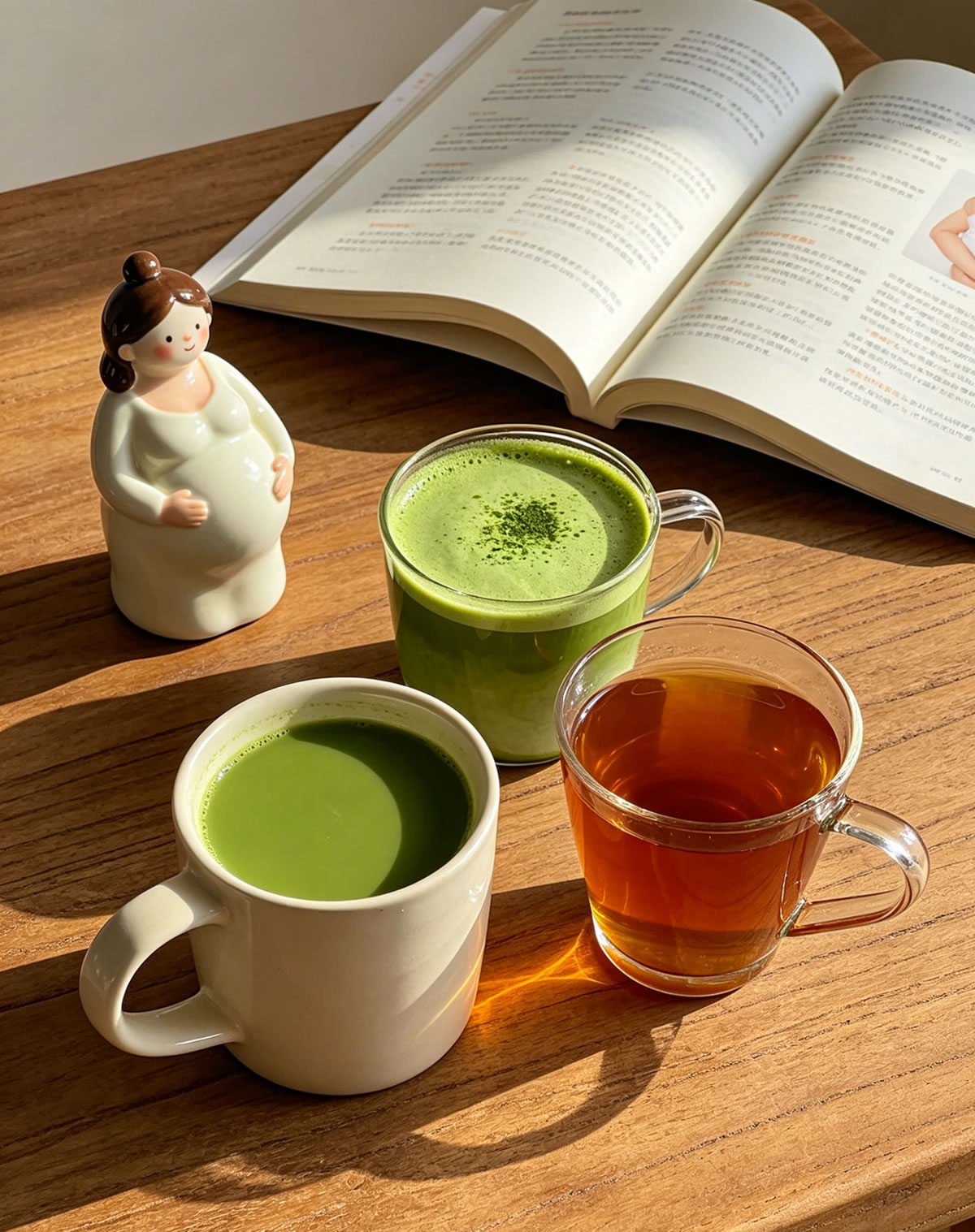
Matcha vs. Regular Green Tea: Special Considerations
Matcha has become increasingly popular in recent years, but it’s important to understand how it differs from regular brewed green tea during pregnancy.
Unlike regular green tea, where you steep the leaves and then discard them, matcha is made by grinding whole green tea leaves into a fine powder that you mix with water and drink. This means you’re consuming the entire tea leaf, resulting in significantly higher concentrations of both beneficial compounds and potential concerns.
Matcha contains 2-3 times more caffeine and catechins than regular brewed green tea. A single 1-ounce serving of matcha can contain 70-140mg of caffeine, compared to 25-45mg in a cup of regular green tea.
Pregnancy Recommendation for Matcha: Limit to no more than 1 small cup per day, and be extra mindful of your total daily caffeine intake from all sources. During the first trimester, it’s generally best to avoid matcha altogether.
Potential Benefits of Green Tea During Pregnancy
When consumed in moderation, green tea can offer some health benefits during pregnancy:
- Rich in antioxidants: Green tea contains polyphenols that help protect cells from damage and support a healthy immune system.
- Hydration: Green tea can contribute to your daily fluid intake, which is essential during pregnancy.
- May help with pregnancy discomforts: Some people find that green tea helps relieve mild nausea and fatigue during the first trimester.
- Supports cardiovascular health: The antioxidants in green tea may help maintain healthy blood pressure levels.
Pregnancy-Safe Tea Alternatives
If you’re looking to reduce your caffeine intake or avoid green tea altogether, these caffeine-free herbal teas are excellent alternatives that are generally considered safe during pregnancy:
| Tea Type | Benefits During Pregnancy | Notes |
|---|---|---|
| Ginger Tea | Relieves nausea and morning sickness | Safe in moderation (1-2 cups per day) |
| Peppermint Tea | Relieves heartburn, indigestion, and gas | Avoid in very large quantities |
| Rooibos Tea | Rich in antioxidants, naturally caffeine-free | Excellent all-around alternative |
| Chamomile Tea | Promotes relaxation and better sleep | Limit to 1 cup per day; avoid in late pregnancy |
Important Warning: Avoid all “detox” teas, weight loss teas, and any herbal teas that contain ingredients like black cohosh, blue cohosh, dong quai, or ephedra, as these can be dangerous during pregnancy. Always check with your healthcare provider before trying any new herbal tea.
Frequently Asked Questions
Q: Can I drink decaf green tea during pregnancy?
A: Yes, decaffeinated green tea is generally considered safe during pregnancy, as it contains only trace amounts of caffeine (less than 5mg per cup). However, it still contains catechins that may interfere with folic acid absorption, so it’s still best to avoid drinking it at the same time as your prenatal vitamin.
Q: Should I stop drinking green tea when trying to conceive?
A: It’s a good idea to limit your green tea intake when trying to conceive, as the catechins can interfere with folic acid absorption even before you know you’re pregnant. Stick to 1 cup per day or switch to caffeine-free alternatives.
Q: Can green tea cause miscarriage?
A: There is no evidence that moderate green tea consumption (1-2 cups per day) causes miscarriage. However, very high caffeine intake (more than 500mg per day) has been associated with an increased risk of miscarriage in some studies.
Q: When is the best time to drink green tea during pregnancy?
A: Drink green tea at least 1-2 hours before or after taking your prenatal vitamin to minimize the interference with folic acid absorption. Avoid drinking green tea in the evening if it affects your sleep.
Heightgao

I have been researching the health benefits of tea for five years, and I am also very passionate about tea culture.