
Let’s settle this steeped-in-tradition debate once and for all. If you’re looking for a single, definitive answer on which green tea is the “healthiest,” prepare for a nuanced sip. Based on a synthesis of historical data, processing methods, and scientific research, neither Chinese nor Japanese green tea universally wins the health crown. The crown, it seems, depends on what specific health benefits you’re steeping for. Japanese green teas, particularly matcha and sencha, often pack a more concentrated punch of antioxidants like EGCG, linked to metabolism and neuroprotection. Meanwhile, Chinese green teas offer a wider diversity of phytochemical profiles due to countless varieties and processing techniques, with large-scale studies linking regular consumption to significant cardiovascular benefits. The real health hack isn’t picking a side but understanding the strengths of each. Think of Japanese green tea as a targeted, potent supplement and Chinese green tea as a varied, holistic dietary pillar. Your ideal choice hinges on your personal health goals, taste preference, and even how you brew your cup.
Peeling Back the Leaves Core Health Mechanisms Unveiled
Forget just drinking tea, let’s talk about what it’s actually doing inside your body. The health magic of green tea, whether from China or Japan, boils down to a symphony of bioactive compounds. The star players are catechins, a type of polyphenol antioxidant, with Epigallocatechin gallate (EGCG) being the most researched heavyweight. These compounds are your cells’ defenders, fighting oxidative stress and inflammation that lead to chronic disease. But here’s where the plot thickens, the amount and potency of these compounds are dramatically altered by everything that happens from the farm to your cup.
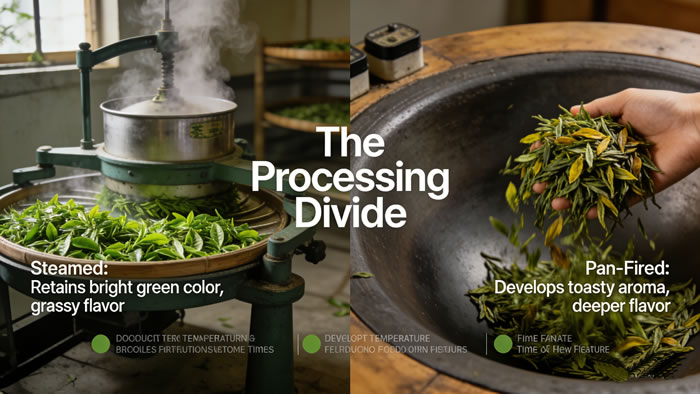
The Processing Divide Steamed vs. Pan-Fired
This is the single biggest factor creating the health divergence between the two traditions. Japanese green tea is predominantly steamed. Freshly harvested leaves hit the steamer within hours, halting oxidation and locking in that vibrant green color and a high concentration of raw, potent catechins. It’s a “flash-preserve” method. Chinese green tea is typically pan-fired or roasted in woks. This process creates a toastier, more aromatic flavor and transforms the catechins into different compounds, often yielding a more complex but slightly less concentrated antioxidant profile in the raw leaf. However, this pan-firing can also create unique antioxidants not found in steamed teas. One study pointed out that Japanese steaming methods might preserve up to 60% antioxidant content compared to 12-16% in some Chinese methods, though this varies wildly by specific tea type.
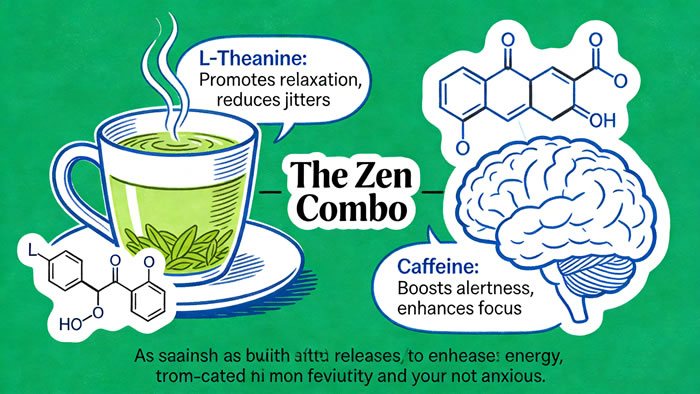
Beyond Antioxidants L-Theanine and Caffeine The Zen Combo
Health isn’t just about chemistry, it’s about how you feel. Enter L-Theanine, an amino acid found almost exclusively in tea. Japanese green teas, especially shade-grown ones like matcha and gyokuro, are deliberately cultivated to boost L-Theanine levels. This compound is famous for promoting relaxed alertness. It works synergistically with caffeine (which green tea also contains). Instead of the jittery coffee buzz, you get a calm, focused energy. This is why a bowl of matcha can be both meditative and energizing for Japanese tea ceremony practitioners. While Chinese teas also contain this dynamic duo, the intentional cultivation for L-Theanine is a hallmark of premium Japanese teas, making them a superior choice for cognitive focus and stress reduction.
The Purity Question A Look at Contaminants
We have to talk about the elephant in the room, potential impurities. A 2006 study cited in several analyses found that about 32% of sampled Chinese green tea leaves exceeded recommended limits for lead contamination, linked to industrial pollution in certain growing regions. In the same study, exactly 0% of the Japanese green tea samples had this issue. This doesn’t mean all Chinese tea is risky, but it highlights a critical need for sourcing transparency. Organic certification and trusted vendors become paramount. Japanese tea fields, often benefiting from stricter overall environmental regulations, currently hold a perceived advantage in purity, which is a significant health consideration for daily drinkers.
| Aspect | Japanese Green Tea (e.g., Sencha, Matcha) | Chinese Green Tea (e.g., Longjing, Mao Feng) |
|---|---|---|
| Core Processing | Steamed (rapid heat treatment) | Pan-fired/Roasted (dry heat treatment) |
| Antioxidant (Catechin) Profile | Often higher in raw, concentrated EGCG | Diverse, sometimes transformed by heat |
| L-Theanine Content | Typically very high, especially in shaded teas | Moderate, varies by cultivar and region |
| Key Health Focus | Metabolic boost, neuroprotection, calm energy | Cardiovascular health, holistic wellness |
| Purity Consideration | Generally lower risk of heavy metal contamination | Source-dependent, requires careful sourcing |
Crafting Your Personal Tea Protocol 3 Targeted Brewing Strategies
Knowing the theory is great, but how do you apply it? Let’s move from textbook to teapot with three actionable strategies. These aren’t just about drinking tea, they’re about engineering your intake for specific outcomes. Whether you want to sharpen your mind for a big meeting, support your body after a workout, or build a long-term wellness ritual, there’s a green tea approach for that. Remember, the best plan is one you’ll actually stick with, so factor in your taste buds too. A health benefit you brew with dread is no benefit at all.
The Cognitive Focus Brew (The Matcha Motion)
When you need laser-sharp focus without the caffeine crash, this is your protocol. The goal here is to maximize the synergistic effects of L-Theanine and caffeine.
Step 1 The Tea Go for a high-quality, ceremonial-grade Japanese matcha or a shade-grown gyokuro. These have the highest guaranteed L-Theanine content.
Step 2 The Prep For matcha, use water around 175°F (80°C). Boiling water burns the leaves, making it bitter and potentially degrading delicate compounds. Sift 1-2 grams (1/2 to 1 tsp) into a bowl, add a splash of hot water, and whisk vigorously until frothy. For gyokuro, use an even lower temperature, around 140-160°F (60-70°C), and steep for 90 seconds.
Step 3 The Timing Drink this about 30-45 minutes before you need peak focus. The effects can last for 3-4 hours, providing a sustained, jitter-free zone of productivity. I’ve swapped my afternoon coffee for this and the difference in consistent energy is palpable, no more 3 PM mental fog.
The Metabolic & Wellness Brew (The Daily Sencha or Longjing Ritual)
This is for long-term health, supporting metabolism, heart health, and daily antioxidant intake. Consistency is king.
Step 1 The Tea Choose a reliable daily drinker. A Japanese sencha is fantastic for a grassy, umami-rich boost of EGCG. A Chinese Longjing (Dragon Well) is excellent for its chestnutty flavor and studied cardiovascular benefits.
Step 2 The Prep Use hotter water here, around 185°F (85°C). Use more leaves than you think, 1 tablespoon per 8 oz cup. Steep for 2-3 minutes only. Oversteeping releases too many tannins, making it bitter and may not increase beneficial catechin yield proportionally.
Step 3 The Routine Aim for 2-3 cups spaced throughout the day. A study in the *European Journal of Preventive Cardiology* found that habitual tea drinkers (≥3 times/week) had a 20% lower risk of heart disease and stroke. Make your first cup a morning ritual, sip another mid-morning, and perhaps one in the early afternoon to avoid sleep disruption.
The Detox & Digestive Brew (The Gentle Hojicha or Jasmine)
Evenings or sensitive stomachs call for a different approach. This protocol leverages low-caffeine options with digestive benefits.
Step 1 The Tea Japanese hojicha is a roasted green tea. The roasting process dramatically reduces caffeine and creates compounds that are wonderfully soothing for the gut. Alternatively, a lightly scented Chinese jasmine green tea (where green tea leaves are layered with jasmine flowers) can have a calming, aromatic effect.
Step 2 The Prep You can use boiling water for hojicha, its robust flavor can take it. Steep for 30 seconds to 1 minute for a light, toasty cup. For jasmine tea, use water at 180°F (82°C) for 2 minutes to enjoy the fragrance without bitterness.
Step 3 The Ritual This is your wind-down brew. Drink it after dinner. The antioxidants in hojicha are still present, supporting liver health without the stimulant effect. The scent of jasmine is itself a proven relaxant. It’s a health-promoting habit that doubles as a signal to your body to relax.
Navigating the Tea Aisle 8 Pitfalls Every New Tea Drinker Must Avoid
So you’re ready to dive in. Wait. The path to tea enlightenment is littered with well-intentioned mistakes. Let’s clear those up right now. Based on forum rants, Reddit threads, and my own cringe-worthy early brewing disasters, here are the non-obvious traps that can turn a health elixir into a bitter, useless potion.
Pitfall 1 Assuming “Green Tea” is One Thing. Walking into a store and buying a box labeled “Green Tea” is like buying “Red Wine.” You might get anything. Are you getting a Japanese sencha, a Chinese gunpowder, or a bland blend? Know which one you want for your health goal.
Pitfall 2 Murdering Your Leaves with Boiling Water. This is the #1 killer of flavor and nutrients, especially for delicate Japanese greens. Boiling water (212°F/100°C) scalds the leaves, extracting bitter tannins rapidly and can destroy delicate catechins and L-Theanine. Get a variable-temperature kettle or let boiled water cool for 5 minutes.
Pitfall 3 Brewing Forever. More time does not equal more health. Over-steeping makes your tea unpleasantly bitter (from tannins) and doesn’t linearly increase good compound extraction. Follow recommended steeping times, usually 1-3 minutes.
Pitfall 4 Sipping Low-Quality Matcha Lattes. That bright green, sugary latte from a cafe is often made from “culinary grade” or even artificially colored matcha loaded with sweeteners. You get the sugar without the health benefits. If you want matcha’s benefits, invest in a small tin of ceremonial grade and make it at home.
Pitfall 5 Ignoring the Source. As discussed, purity matters. For Chinese teas, research the region and buy from reputable specialists who test for contaminants. For Japanese tea, look for origin designations like Uji, Yame, or Shizuoka.
Pitfall 6 Storing Tea Like Flour. Tea is fresh produce. Light, heat, air, and moisture are its enemies. Don’t keep it in a clear jar on the stove. Store it in an opaque, airtight container in a cool, dark cupboard. Consume it within 6-12 months.
Pitfall 7 Using Tap Water. The minerals in hard tap water (calcium, magnesium) can bind to tea compounds, creating a film (“scum”) and muting flavors. It can also hinder proper extraction. Use filtered or spring water for a cleaner taste and potentially better nutrient extraction.
Pitfall 8 Expecting Miraculous Weight Loss. Yes, EGCG can support metabolism. But drinking green tea while maintaining a poor diet and sedentary lifestyle is futile. It’s a powerful supplement to a healthy lifestyle, not a magic bullet. Think “health ally,” not “diet savior.”
The Final Infusion It’s About Your Journey, Not a Winner
So, is Chinese or Japanese green tea healthier? The evidence shows it’s a beautifully complex draw. Japanese green tea often brings a sharper, more concentrated tool to the fight against oxidative stress and for cognitive enhancement. Chinese green tea offers a broader, more varied botanical heritage linked to impressive long-term population health outcomes, especially for the heart. The “healthiest” tea is the one you will enjoy drinking consistently, sourced with care for purity, and brewed correctly to maximize its potential. Your personal health objectives are the ultimate guide. Want targeted, potent antioxidants and calm energy? Explore the world of Japanese sencha and matcha. Seeking variety, deep tradition, and heart-healthy benefits? Dive into the vast universe of Chinese green teas. Perhaps the wisest move is to not choose at all, but to make both a part of your well-balanced ritual. After all, the real health benefit begins with the mindful moment you take to slow down and savor a perfectly brewed cup.
Heightgao

I have been researching the health benefits of tea for five years, and I am also very passionate about tea culture.