
Japanese green tea is powdered matcha or leaf based sencha and related styles that come from Camellia sinensis grown and processed in Japan and consumed for flavor ritual and measurable health compounds. In short matcha is whole leaf powder giving higher concentration of antioxidants L theanine and caffeine per serving while sencha is steeped leaf offering a lighter caffeine profile and different catechin balance. Data driven tasting and health tradeoffs matter when you choose for energy calm or antioxidant density. Matcha tends to deliver more concentrated polyphenols and L theanine because you ingest the whole leaf. Sencha often has higher catechin variety because of sun grown leaves and steaming processing. For caffeine sensitive drinkers sencha steeped at lower temperature and shorter time reduces caffeine extraction while matcha will always contain the leaf caffeine unless you choose a low caffeine ceremonial shade grown cultivar. These core differences shape flavor ritual and benefits and guide which product to buy whether you search for matcha green tea on amazon or pick a loose leaf japanese sencha green tea from a specialty brand.
Core mechanisms explained how does matcha differ from sencha and why it matters 🧪
How does growing and shading change the chemistry of the leaf
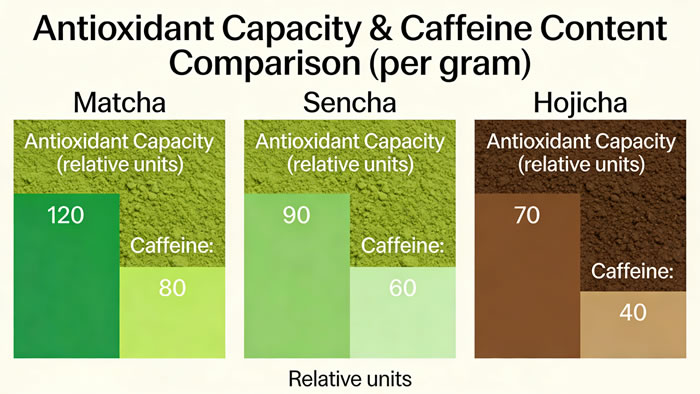
Shade grown tea used for matcha increases chlorophyll and L theanine while reducing some bitter catechins which creates the vivid green color and umami profile that matcha lovers prize. Sun grown leaves used for many sencha cultivars produce higher catechin levels which contribute to brisk astringency and antioxidant variety. The processing step in Japan where leaves are steamed quickly after harvest locks in volatile aroma and prevents oxidation which preserves green tea specific polyphenols. Because matcha is stone milled into powder you consume the entire leaf matrix including fiber pigments and concentrated micronutrients. Sencha is steeped so the infusion contains water soluble compounds while leaf solids remain behind. This difference explains why matcha often shows higher measured antioxidant capacity per gram in lab assays while sencha shows a different balance of catechins and flavonols. Practical takeaway for drinkers is that matcha gives a denser nutrient hit per scoop while sencha offers a lighter cup that can be brewed multiple times with evolving flavor.
What happens when you whisk matcha or steep sencha which compounds end up in your cup
Whisking matcha suspends powdered leaf particles so you ingest both water soluble and insoluble components including chlorophyll and leaf cell walls which carry bound polyphenols. Steeping sencha extracts water soluble catechins caffeine and amino acids into the infusion while leaving much of the insoluble fiber behind. Temperature and time control extraction. Lower temperature shorter steep reduces caffeine and bitterness while higher temperature longer steep increases catechin extraction and astringency. L theanine which promotes relaxed alertness is water soluble and appears in both matcha and sencha but matcha often delivers higher absolute amounts per serving because the whole leaf is consumed. For people tracking matcha benefits or matcha powder benefits this mechanism explains why a single scoop of ceremonial matcha can feel more potent than a cup of sencha even when both originate from the same region.
Three practical ways to use Japanese green tea depending on your goal which one fits you best 🍵
Want focused calm which tea gives the best balance of caffeine and L theanine
If your priority is focused calm choose a high quality shade grown matcha because the combination of caffeine and L theanine produces sustained alertness with reduced jitter compared to coffee. L theanine modulates the stimulant effect and supports alpha brain wave patterns in lab studies which many users describe as calm focus. Matcha serving size matters so start with a half scoop and note effects before increasing. For people sensitive to caffeine ceremonial matcha still contains caffeine so consider a lower dose or a sencha brewed at lower temperature which reduces caffeine extraction. When comparing matcha tea caffeine content and sencha tea caffeine content remember that matcha numbers are per gram of powder while brewed sencha depends on leaf weight steep time and water temperature. If you shop for matcha on amazon look for ceremonial grade single origin and avoid culinary blends that may be mixed for baking rather than drinking.
Want antioxidants and daily wellness which tea gives the highest polyphenol intake
For maximum antioxidant intake matcha is the efficient choice because you ingest the whole leaf which concentrates polyphenols per serving. Studies comparing antioxidant capacity often show matcha outperforming steeped green tea on a per gram basis. That said you can drink multiple cups of sencha across the day to reach similar cumulative intake while enjoying lower per cup caffeine. If you are tracking health benefits of matcha or matcha powder benefits consider that bioavailability and meal context matter so pairing tea with a light snack may change absorption. People with iron deficiency should be mindful that tannins in green tea can reduce non heme iron absorption when consumed with iron rich meals. For long term wellness rotate between matcha and sencha to balance potency and variety.
How to brew and measure results three tested approaches for real world outcomes 🔬
How do you prepare ceremonial matcha for best flavor and consistent caffeine delivery
Measure matcha with a bamboo scoop or kitchen scale to control dose. Use water at about seventy five to eighty degrees Celsius to preserve sweetness and reduce bitterness. Whisk vigorously in a zig zag motion until froth forms and no clumps remain. Taste and adjust dose rather than temperature to control strength. For a lighter experience use half the usual scoop and extend whisking time to aerate the suspension which softens perceived intensity. For a latte use warmed milk alternative and whisk to emulsify. When testing caffeine effects record subjective alertness and heart rate over ninety minutes to compare with coffee. Many users report smoother onset and longer tail with matcha compared to espresso. Keep a simple log to find your personal sweet spot.
How do you steep sencha to reduce bitterness and control caffeine extraction
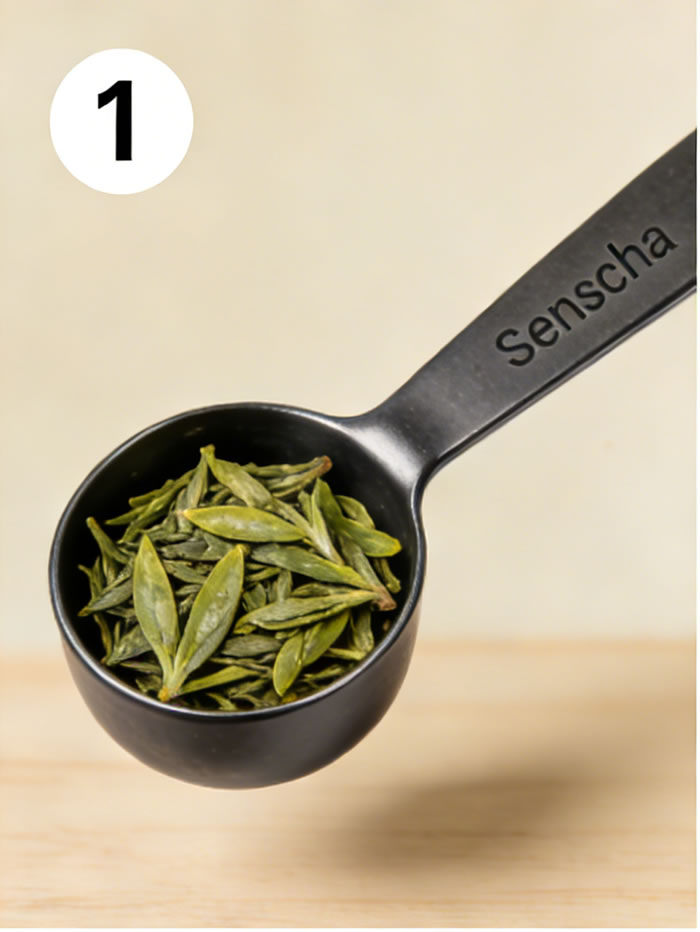
Use lower temperature water around sixty five to seventy degrees Celsius and steep for thirty to forty five seconds for a first infusion to limit caffeine and catechin extraction. Multiple short infusions yield evolving flavor and lower cumulative caffeine per cup. If you prefer stronger flavor increase temperature slightly and shorten time rather than steeping longer. Leaf quality matters so invest in fresh loose leaf sencha from a trusted japanese green tea brand and store it airtight away from light. When testing caffeine effects compare heart rate and sleep latency after an evening cup brewed with the lower temperature method. Many sencha drinkers find they can enjoy a late afternoon cup without sleep disruption when they follow this approach.
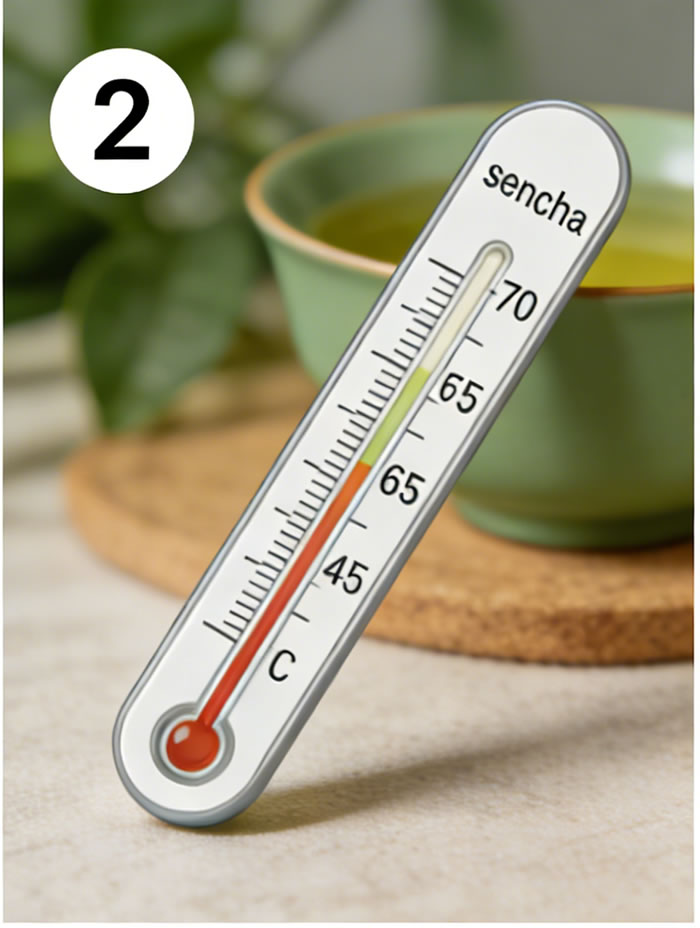
Heat water to sixty five to seventy C
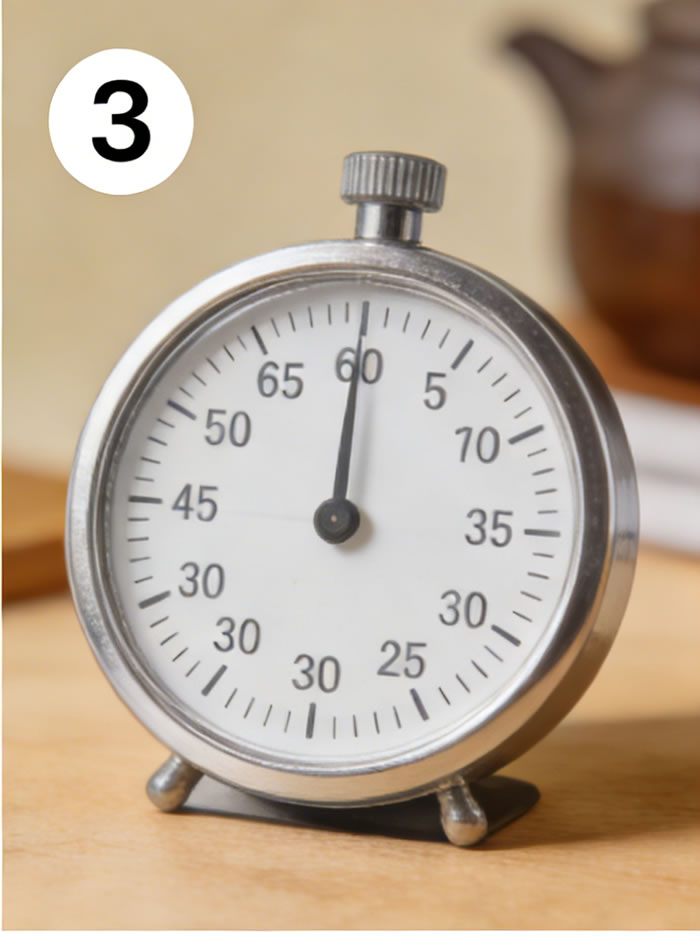
Steep thirty to forty five seconds
How do real users feel about it? 💬
Which matcha brands and matcha on amazon do community members actually recommend
Community posts often praise single origin ceremonial matcha for clarity and mouthfeel while warning against cheap culinary powders that are better for baking than drinking. Users on tea forums highlight that the best matcha on amazon often comes from small producers who list harvest date and cultivar. Common user generated content notes include aroma color and whisking behavior as quick quality checks. When shopping for matcha green tea amazon listings with clear harvest information and customer photos tend to correlate with higher satisfaction. For latte powder many users prefer culinary grade blends for texture but switch to ceremonial grade for straight whisked tea. These community patterns help buyers avoid common pitfalls like buying old stock or mislabeled blends.
What do tea hobbyists report about sencha flavor variability and brewing hacks
Tea hobbyists report that sencha flavor shifts dramatically across harvests and regions with early spring shincha offering bright vegetal notes and later harvests showing fuller body. Practical hacks include cooling water in a thermal carafe to reach the ideal steeping temperature and using a gaiwan or kyusu to control infusion. Users also share that reusing leaves for a second infusion yields a sweeter cup and reduces waste. Forum threads emphasize freshness and storage as the most common quality issues so many recommend small quantity purchases and refrigeration for long term storage. These grassroots observations align with lab based differences in polyphenol profiles across harvests and support rotating teas to maintain interest and nutritional variety.
Common mistakes and eight pitfalls new drinkers always hit watch out for these traps ⚠️
- Pitfall one buying culinary matcha for straight whisking and expecting ceremonial flavor which leads to disappointment and wasted money
- Pitfall two using boiling water for sencha which extracts excess bitterness and masks subtle umami
- Pitfall three storing tea in clear jars near light which accelerates degradation and stale taste
- Pitfall four assuming all matcha has the same caffeine content without checking serving size and cultivar
- Pitfall five over steeping sencha to chase stronger flavor which increases tannin and reduces sweetness
- Pitfall six buying matcha based on price alone which often correlates with lower quality leaf and additives
- Pitfall seven ignoring harvest date which matters for freshness and aroma especially for sencha and shincha
- Pitfall eight mixing tea with heavy meals that reduce iron absorption when you rely on tea for nutritional benefits
Each pitfall is avoidable with small habit changes like checking labels for harvest date choosing the right grade for your use and adjusting water temperature. Community threads show these mistakes are the most frequently mentioned in buyer reviews and forum posts and they explain why many beginners give up before they find a style that fits. Practical fixes include buying sample sizes from reputable japanese green tea brands and keeping a short brewing log to track what works for your palate and physiology.
How to compare varieties quick reference tables for matcha sencha and other Japanese teas 📊
| Tea type | Form | Typical flavor | Relative caffeine | Best use |
|---|---|---|---|---|
| Matcha | Powder | Umami grassy sweet | High per gram | Straight whisked focus and lattes |
| Sencha | Loose leaf | Grassy astringent sweet | Moderate variable | Daily steeped cups multiple infusions |
| Hojicha | Roasted leaf | Toasty caramel low astringency | Low | Evening cup low caffeine |
| Gyokuro | Shade grown leaf | Deep umami silky | High | Special occasion ceremonial style |
This table helps match intent to tea type whether you want the best japanese green tea for focus or a low caffeine evening option. Use it as a shopping checklist when you compare labels and amazon listings.
Health questions answered is japanese green tea healthy and what about caffeine concerns 🩺
Is japanese green tea healthy for daily consumption what does evidence show
Japanese green tea contains polyphenols catechins and L theanine which are associated with antioxidant activity and metabolic effects in population studies and controlled trials. Regular consumption is linked to modest improvements in markers like blood lipid profiles and antioxidant status in some studies. That said individual responses vary and tea should not replace medical care. If you have specific health conditions consult a qualified healthcare professional before making major changes to your diet. For those tracking matcha benefits or health benefits of matcha remember that matcha concentrates compounds so dose matters and interactions with medications should be checked with a clinician.
Does japanese matcha have caffeine and how does it compare to coffee
Yes matcha contains caffeine because it is powdered green tea made from whole leaves. Per gram matcha often contains more caffeine than a gram of loose leaf sencha but typical serving sizes differ. A small scoop of matcha can deliver a caffeine amount comparable to a small cup of coffee while producing a different subjective effect due to L theanine. If you are sensitive to caffeine choose lower dose matcha or a low caffeine tea like hojicha. When monitoring sleep or anxiety track timing and dose and adjust accordingly. For precise caffeine numbers check product labels or lab tested brand data.
Buying guide how to pick the best japanese green tea brands and matcha on amazon without getting burned 🛒
What to look for on a product page and how to read labels like a pro
Look for harvest date cultivar and grade information on the product page. Single origin and harvest date indicate fresher product and clearer flavor expectations. For matcha ceremonial grade shade grown and stone milled notes are positive signals. For sencha look for steam processing and region names such as shizuoka or uji which hint at style. Customer photos and detailed reviews that mention aroma color and whisking behavior are more informative than star ratings alone. Avoid listings that lack harvest information or that use vague terms without specifics. When buying japanese green tea on amazon filter by sellers who provide clear storage guidance and return policies.
How to test quality at home quick sensory checks and simple lab style observations
Open the package and note color and aroma. Matcha should be vivid green and smell fresh grassy not musty. Sencha leaves should look glossy and smell vegetal. Make a small test cup and evaluate sweetness bitterness and aftertaste. For matcha check whisking behavior and froth stability. If powder clumps or smells stale the product may be old or low quality. Keep a small tasting log and compare two samples side by side to train your palate. These simple checks reduce buyer regret and help you identify the best japanese green tea brands for your taste.
Final takeaways and next steps what should you try this week to learn fast ✅
Try a three day experiment to learn your preferences. Day one try a half scoop ceremonial matcha whisked with warm water and note alertness and taste. Day two steep a high quality sencha at lower temperature and note flavor and sleep effects. Day three try a roasted hojicha in the evening to compare relaxation. Keep a short log of mood sleep and digestion. Rotate teas to avoid habituation and to sample different polyphenol profiles. If you plan to buy matcha on amazon choose a small quantity from a reputable brand with harvest date and try a culinary grade for lattes and ceremonial for straight whisking. This hands on approach yields faster learning than reading alone and helps you match tea to daily needs.
Question corner common forum questions answered and quick clarifications ❓
- Does matcha make you jittery Answer depends on dose and sensitivity but L theanine often smooths the stimulant effect
- Can you drink matcha every day Answer many people do but monitor sleep and consult a clinician if you have health concerns
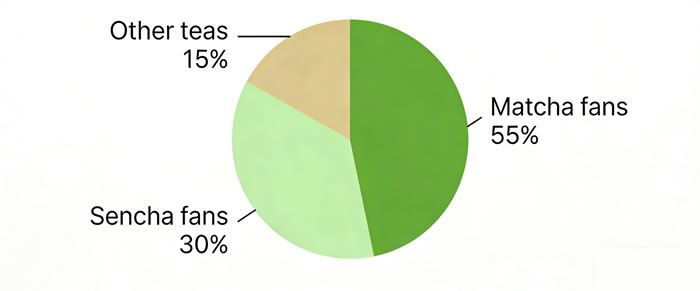
- Is sencha better than matcha Answer depends on goal matcha for concentrated antioxidants sencha for lighter daily cups
- How to store tea Answer airtight opaque container in cool dark place refrigeration helps for long term storage
Heightgao

I have been researching the health benefits of tea for five years, and I am also very passionate about tea culture.