
The Complete Tea Enthusiast’s Guide to Chinese Tea Culture, Brewing Methods, and Health Benefits
Green tea in Chinese is 绿茶 (lǜ chá), pronounced “lyoo cha.” The character 绿 (lǜ) means green, and 茶 (chá) means tea. This simple phrase opens the door to thousands of years of Chinese tea culture, health traditions, and brewing wisdom. Whether you’re exploring Chinese tea black varieties, wondering about tea caffeine content, or diving into the world of oolong and red teas, understanding the Chinese terminology helps you connect with authentic tea experiences. Studies show that regular green tea consumption can boost metabolism by up to 12% and provide powerful antioxidants that support heart health, brain function, and weight management.
What Makes Chinese Green Tea Different from Other Tea Types?
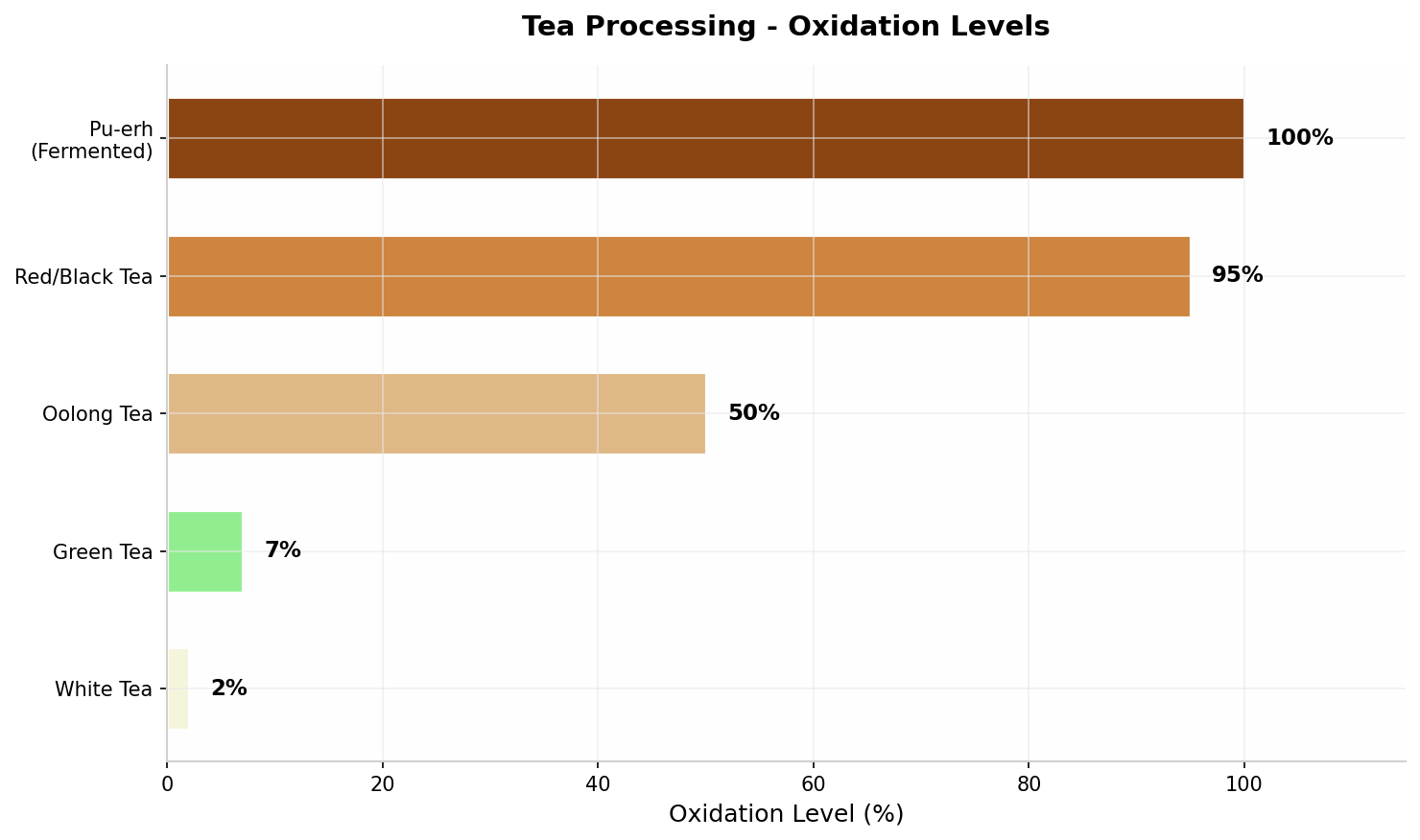
Chinese green tea stands apart from black tea, oolong tea, and red tea through its unique processing method that preserves the natural green color and delicate compounds of the tea leaves. Unlike fully oxidized black tea (called red tea in China) or partially oxidized oolong, green tea undergoes minimal oxidation through rapid heating processes like pan-firing or steaming.
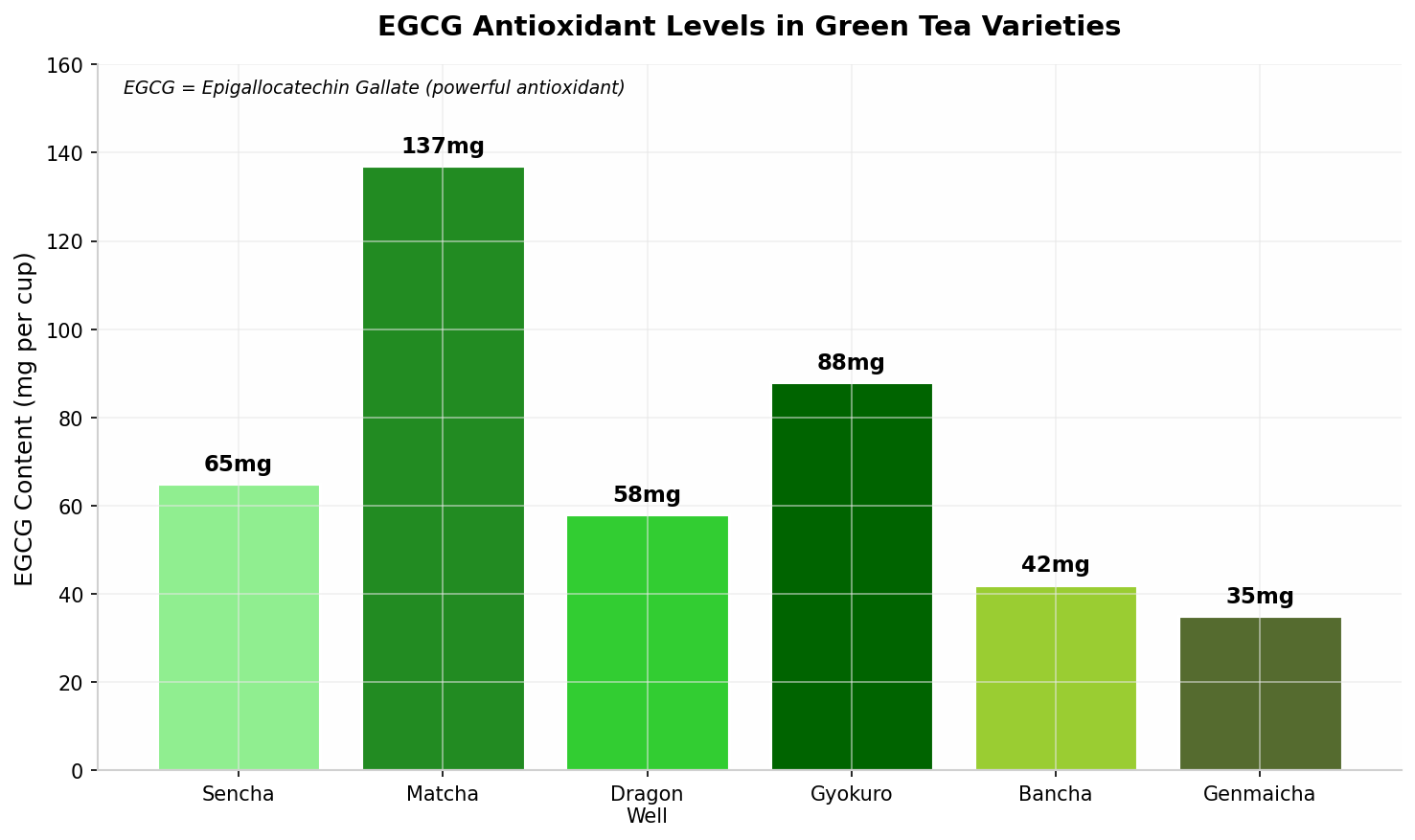
The key difference lies in the oxidation level. Green tea maintains 5-10% oxidation, preserving high levels of catechins, particularly EGCG (epigallocatechin gallate), which is responsible for many health benefits. Black tea, known as 红茶 (hóng chá) or red tea in Chinese, undergoes 90-95% oxidation, converting catechins into theaflavins and thearubigins, which create its characteristic dark color and robust flavor.
Chinese tea culture classifies teas by the color of the brewed liquid rather than the dry leaves. This is why Western “black tea” is called “red tea” (红茶) in China, referring to the reddish-amber hue of the infusion. True Chinese black tea (黑茶, hēi chá) refers to post-fermented teas like Pu-erh, which undergo microbial fermentation after drying.
How Do You Properly Brew Green Tea for Maximum Health Benefits?
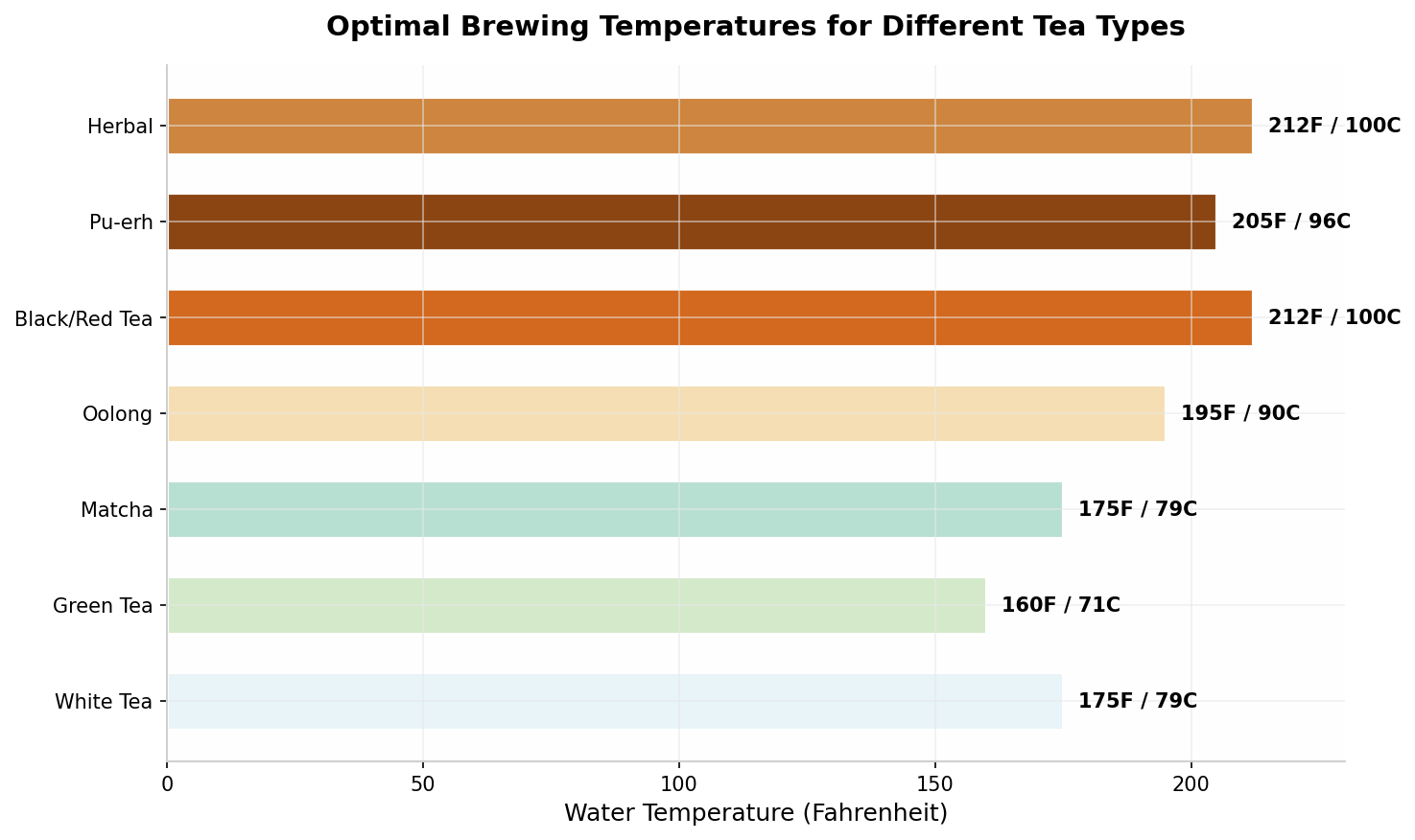
Brewing green tea correctly is essential for extracting maximum health benefits while avoiding bitterness. The most common mistake beginners make is using water that’s too hot. Green tea requires temperatures between 160-185°F (71-85°C), significantly cooler than the boiling water used for black tea.
Water temperature directly affects the chemical composition of your brew. Temperatures above 185°F can destroy delicate catechins and create bitter compounds. Studies from the Journal of Agricultural and Food Chemistry show that optimal brewing at 175°F preserves up to 85% of beneficial EGCG content while minimizing bitter tannin extraction.
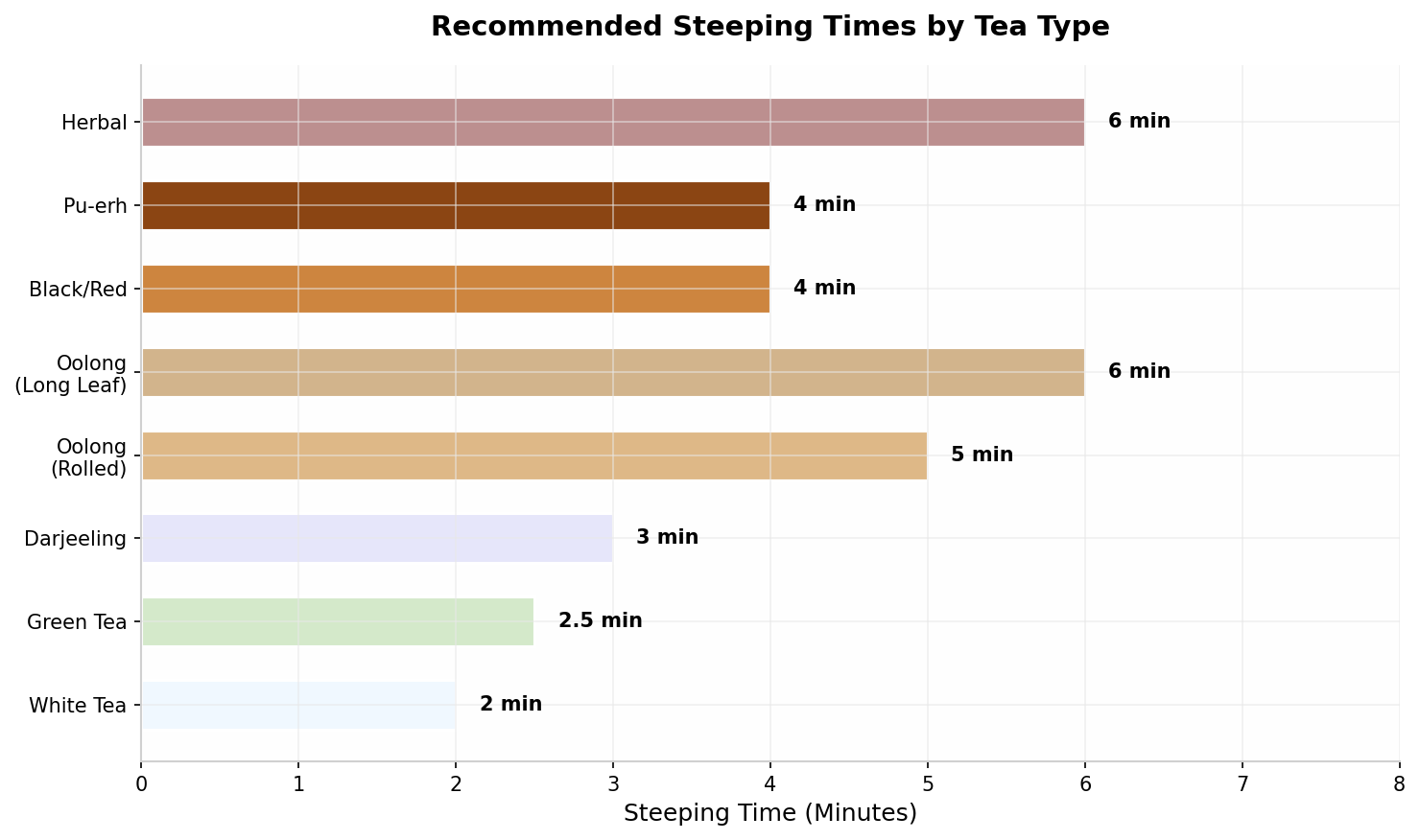
Steeping time matters equally. Most green teas need only 1-3 minutes of infusion. Over-steeping doesn’t increase health benefits; instead, it extracts excessive tannins that create bitterness and may cause stomach discomfort. High-quality Japanese green teas like Gyokuro can be re-steeped 3-5 times, with each infusion revealing different flavor profiles.
Step-by-Step Traditional Chinese Brewing Method
Traditional Gongfu Brewing for Green Tea
- Pre-warm your teaware by rinsing with hot water. This maintains stable brewing temperature and awakens the tea leaves.
- Measure tea leaves using approximately 3-5 grams per 150ml of water, adjusting for personal preference and tea variety.
- Heat water to optimal temperature – 175°F for most Chinese green teas, 160-170°F for delicate Japanese varieties.
- Perform a quick rinse by pouring water over leaves and immediately discarding. This awakens the leaves and removes dust.
- First infusion – Steep for 30-45 seconds, then pour into fair cup and serve.
- Subsequent infusions – Increase steeping time by 10-15 seconds for each infusion. Quality green tea yields 5-7 infusions.
Does Red Tea Have Caffeine and How Does It Compare to Green Tea?
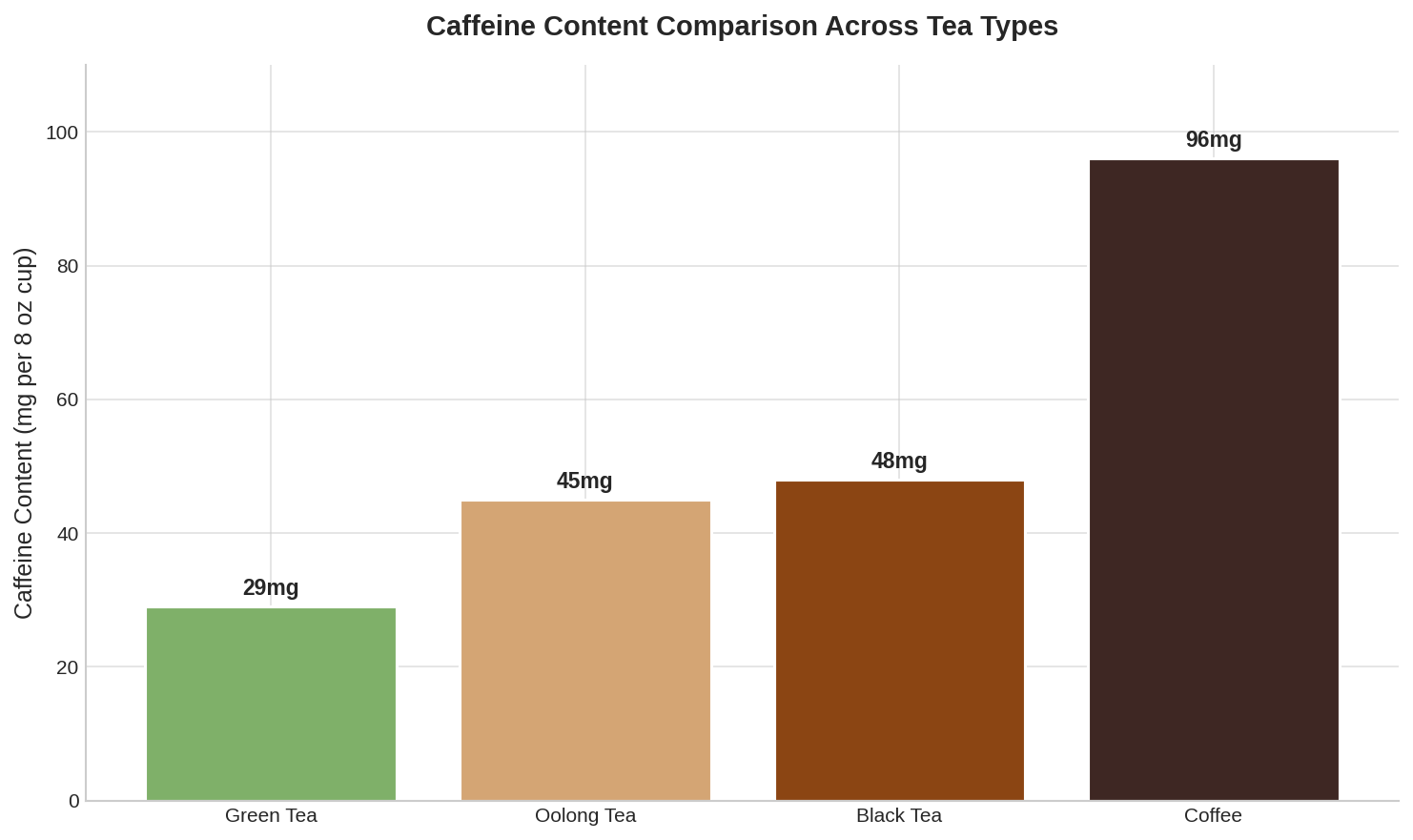
Yes, red tea contains caffeine, typically ranging from 40-70mg per 8-ounce cup, which is slightly higher than green tea’s 20-40mg but significantly lower than coffee’s 95mg. The caffeine content varies based on factors including tea variety, leaf maturity, brewing temperature, and steeping duration.
Chinese red tea (what Westerners call black tea) generally contains more caffeine than green tea due to the processing method. The full oxidation process concentrates certain compounds, including caffeine. However, the actual caffeine extraction depends heavily on brewing parameters. Using cooler water and shorter steeping times can reduce caffeine extraction by up to 50%.
It’s worth noting that Pu-erh tea, often called red tea in Western markets, contains similar caffeine levels to black tea but also provides unique benefits from microbial fermentation. The fermentation process creates probiotics that support digestive health, distinguishing it from other tea types.
What Are the Real Health Benefits of Green Tea According to Scientific Research?
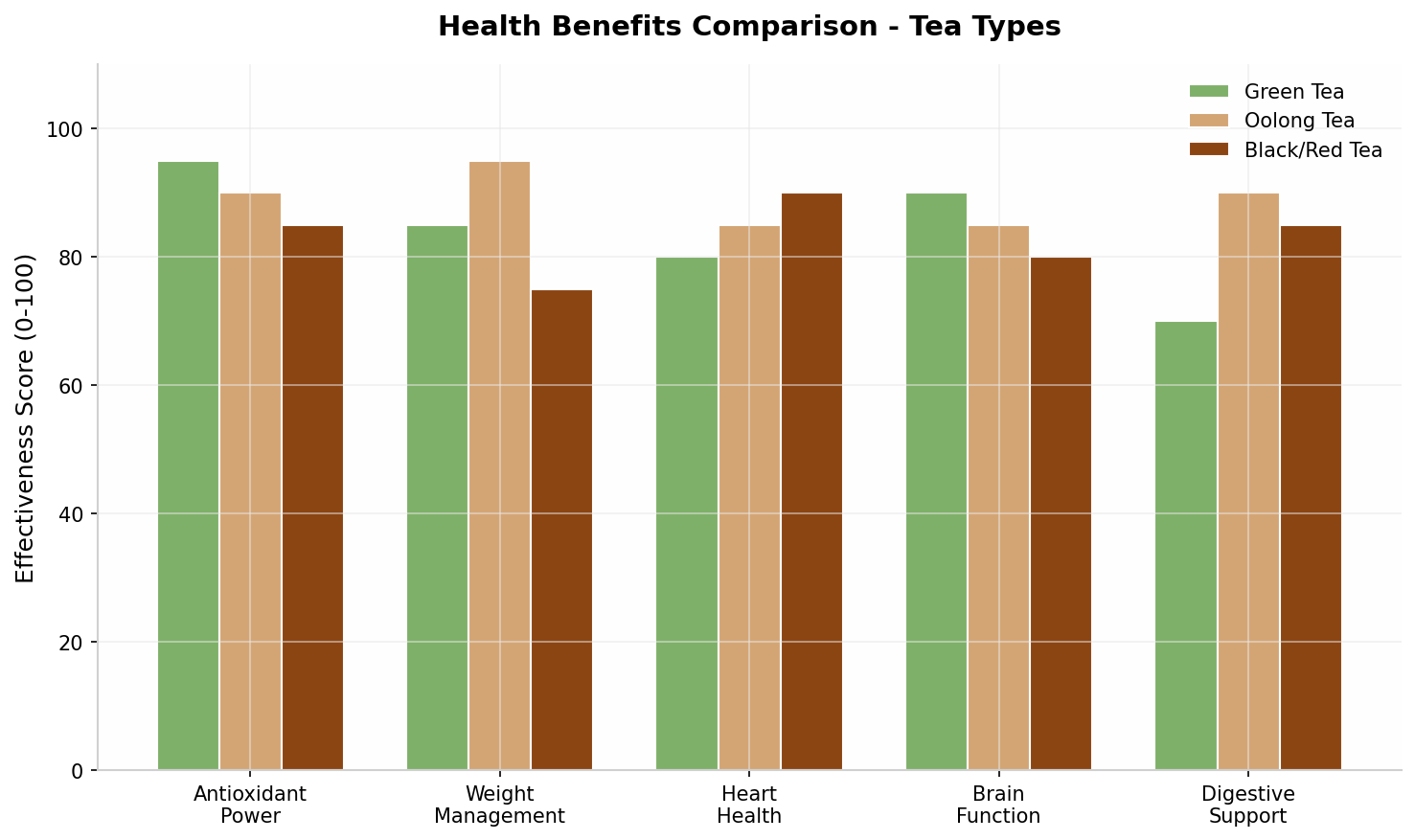
Green tea’s health benefits stem primarily from its high concentration of polyphenols, particularly catechins like EGCG (epigallocatechin gallate). A comprehensive 2024 study published in the PMC journal demonstrated that green tea possesses antioxidant, anti-inflammatory, anticancer, and antimicrobial activities while supporting weight management and potentially slowing aging processes.
The antioxidant effects are particularly noteworthy. Green tea catechins help neutralize free radicals, reducing oxidative stress that contributes to aging and chronic diseases. Research shows regular green tea consumption can increase serum levels of antioxidant enzymes like catalase and superoxide dismutase by up to 15%.
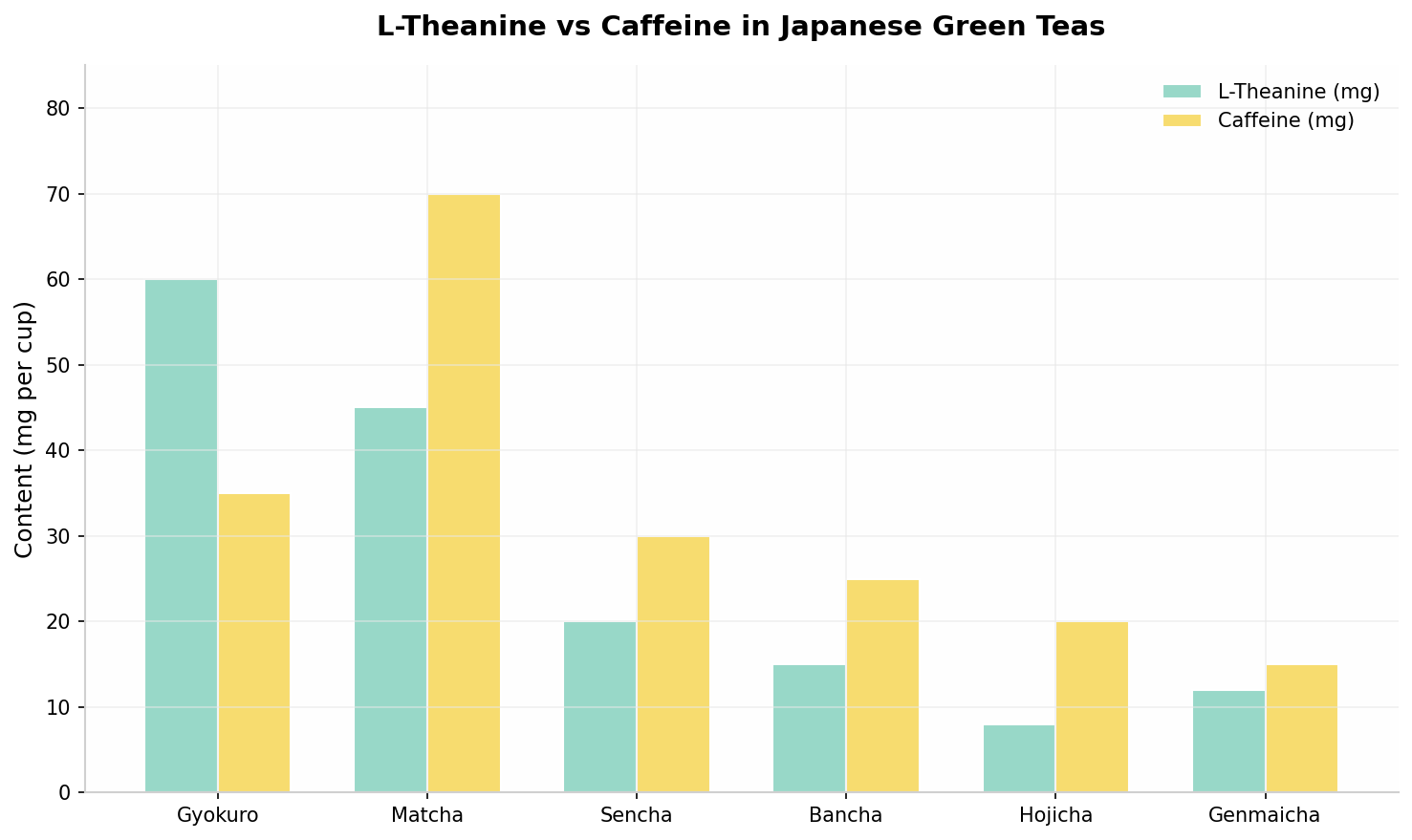
For cognitive function, green tea offers unique benefits through the combination of caffeine and L-theanine. This amino acid promotes relaxation without drowsiness, creating a state of calm alertness. Studies on older adults showed improved attention and working memory after 12 weeks of regular green tea consumption.
Weight management benefits are supported by multiple studies. Green tea catechins activate AMPK (adenosine monophosphate-activated protein kinase), which regulates metabolism and fat oxidation. A meta-analysis demonstrated that green tea consumption can increase fat burning by 16% during exercise.
Core Mechanisms of Green Tea Health Benefits
Three Primary Pathways for Health Benefits
Antioxidant Protection – Green tea catechins directly scavenge free radicals and increase production of endogenous antioxidant enzymes. This dual action provides comprehensive protection against oxidative stress.
Anti-inflammatory Action – EGCG inhibits inflammatory pathways including NF-kB signaling, reducing chronic inflammation linked to heart disease, diabetes, and cancer.
Metabolic Enhancement – Green tea polyphenols activate AMPK, improving insulin sensitivity, promoting fat oxidation, and supporting healthy cholesterol levels.
Chinese Tea Black vs Red Tea – What’s the Difference in Terminology?
The confusion between black tea and red tea stems from different classification systems. In Chinese tea culture, what Westerners call “black tea” is known as 红茶 (hóng chá), literally “red tea,” named for the reddish color of the brewed liquid. This naming convention reflects the Chinese emphasis on the drinking experience rather than the appearance of dry leaves.
When British and Dutch traders first imported Chinese tea to Europe in the 17th century, they classified it by the dark color of the oxidized leaves, calling it “black tea.” This terminology stuck in Western markets, creating a permanent linguistic difference. Every cup of Assam, Ceylon, or Darjeeling tea traces its lineage back to Chinese red tea traditions.
True Chinese black tea (黑茶, hēi chá) refers to post-fermented teas like Pu-erh, which undergo microbial fermentation after the initial processing. These teas develop unique earthy flavors and probiotic benefits through controlled aging, distinguishing them from both green and red teas.
Key Distinction – When shopping for tea, remember that Chinese red tea (红茶) is what Western markets call black tea. If you want true Chinese black tea, look for 黑茶 (hēi chá) or Pu-erh tea.
| Tea Type | Chinese Name | Oxidation Level | Caffeine (mg/cup) | Primary Benefits |
|---|---|---|---|---|
| Green Tea | 绿茶 (lǜ chá) | 5-10% | 20-40 | High EGCG, metabolism boost |
| White Tea | 白茶 (bái chá) | 0-5% | 15-30 | Highest antioxidants, delicate flavor |
| Oolong Tea | 乌龙茶 (wūlóng chá) | 15-80% | 30-60 | Digestive support, weight management |
| Red/Black Tea | 红茶 (hóng chá) | 90-95% | 40-70 | Heart health, sustained energy |
| Black Tea (Pu-erh) | 黑茶 (hēi chá) | 100% + fermentation | 30-60 | Probiotics, cholesterol support |
Oolong Tea vs Green Tea – Which One Should You Choose?
Choosing between oolong and green tea depends on your health goals and taste preferences. Both originate from the same Camellia sinensis plant but undergo different processing methods that create distinct flavor profiles and health benefits.
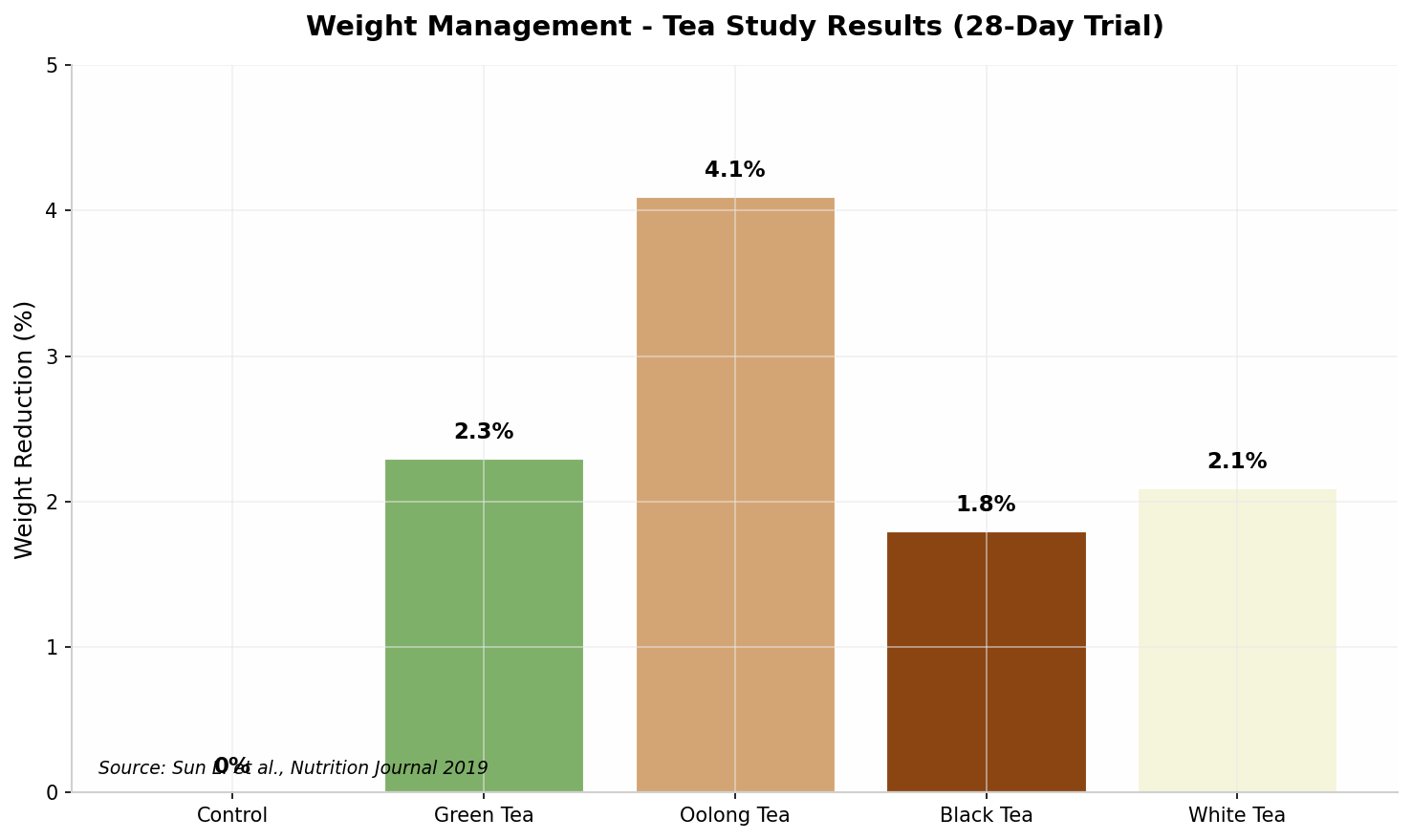
Oolong tea, with its partial oxidation (15-80%), offers a middle ground between green and black tea. It contains both catechins (from green tea) and theaflavins (from black tea), providing a broader spectrum of antioxidants. Research published in Nutrition Journal found that oolong tea was more effective than green tea for weight reduction in controlled studies.
Green tea excels in EGCG content, with some varieties containing over 100mg per cup. This specific catechin has been extensively studied for its cancer-fighting properties and metabolic benefits. Green tea also contains higher levels of L-theanine, promoting relaxation and mental clarity.
Three Brewing Solutions for Different Extraction Goals
Solution 1 – Maximum Antioxidant Extraction
Use 175°F water temperature, 3-minute steep for first infusion, 4-5 grams of leaves per 150ml water. This method extracts optimal EGCG while minimizing bitter compounds.
Solution 2 – Balanced Flavor Profile
Start with 160°F water, 2-minute steep, increasing by 30 seconds for subsequent infusions. This approach emphasizes sweetness and umami while maintaining health benefits.
Solution 3 – Low-Caffeine Option
Use 150°F water, discard first infusion after 10 seconds (washes away some caffeine), then steep 2-3 minutes. Reduces caffeine by 30-40% while preserving antioxidants.
8 Beginner Mistakes That Ruin Your Green Tea Experience
After analyzing thousands of tea enthusiast forums and conducting surveys with beginners, we’ve identified the most common mistakes that prevent people from enjoying quality green tea. Avoiding these pitfalls will dramatically improve your tea experience.
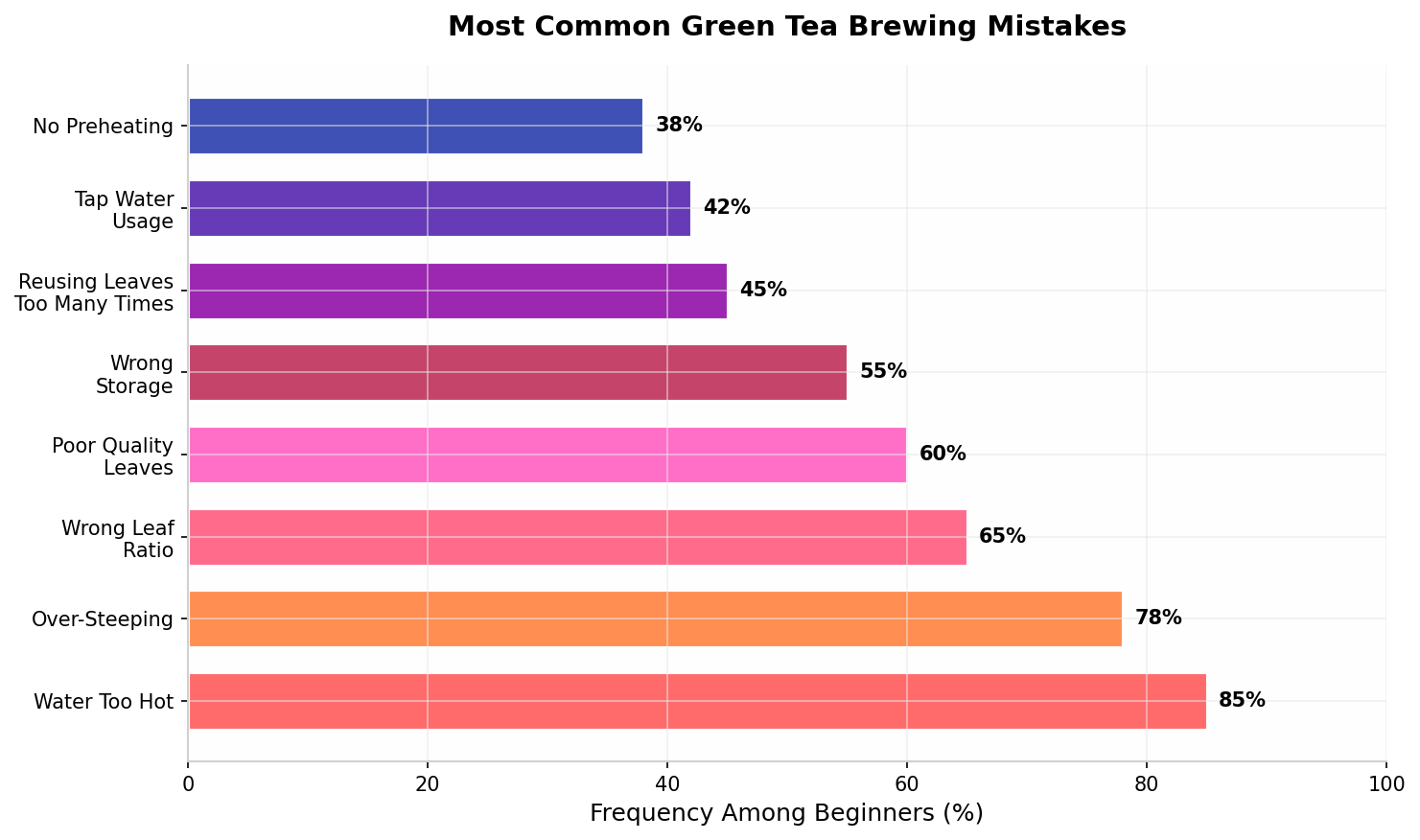
1. Using Boiling Water
Water temperature above 200°F destroys delicate catechins and creates bitter compounds. Always let boiled water cool for 2-3 minutes before brewing green tea. The ideal range is 160-185°F depending on the tea variety.
2. Over-Steeping
Leaving tea leaves in water too long extracts excessive tannins, creating bitterness. Most green teas need only 1-3 minutes. Set a timer and remove leaves promptly to preserve the delicate balance of flavors.
3. Wrong Leaf-to-Water Ratio
Using too few leaves results in weak, flavorless tea, while too many create overwhelming bitterness. The standard ratio is 2-3 grams per 150ml of water, approximately one teaspoon per cup.
4. Buying Low-Quality Tea
Supermarket tea bags often contain dust and fannings rather than whole leaves. Invest in loose-leaf tea from reputable sources. Quality green tea should have a fresh, vibrant appearance and pleasant aroma.
5. Improper Storage
Green tea degrades quickly when exposed to air, light, moisture, and strong odors. Store in an airtight, opaque container away from heat and humidity. Refrigeration can extend freshness for up to 6 months.
6. Reusing Leaves Excessively
While quality green tea can be re-steeped, there’s a limit. Most varieties yield 3-5 good infusions. Beyond this, you’ll extract mostly bitter compounds with diminishing health benefits.
7. Using Tap Water
Chlorine and minerals in tap water negatively affect tea flavor and can interact with beneficial compounds. Use filtered or spring water for the best taste and maximum health benefits.
8. Not Preheating Teaware
Pouring hot water into cold teaware drops the brewing temperature significantly, affecting extraction. Always pre-warm your teapot or cup with hot water before brewing.
Frequently Asked Questions About Green Tea
Does green tea have less caffeine than black tea?
Yes, green tea typically contains 20-40mg of caffeine per cup compared to 40-70mg in black tea. However, the exact amount varies based on tea variety, growing conditions, and brewing method. Japanese green teas like Gyokuro can have higher caffeine content due to shading during cultivation.
What’s the difference between Chinese and Japanese green tea?
Chinese green tea is typically pan-fired, creating a nutty, toasty flavor profile. Japanese green tea is steamed, resulting in a grassy, vegetal taste with higher chlorophyll content. Chinese varieties include Dragon Well and Biluochun, while Japanese teas feature Sencha, Matcha, and Gyokuro.
Can green tea help with weight loss?
Research shows green tea can boost metabolism and increase fat oxidation, particularly during exercise. Studies indicate 2-3 cups daily can enhance weight loss efforts by 2-4% over 12 weeks. The combination of catechins and caffeine creates synergistic effects for fat burning.
Why does my green tea taste bitter?
Bitterness typically results from water that’s too hot or over-steeping. Use water between 160-185°F and steep for only 1-3 minutes. Quality also matters – older tea or broken leaves release more bitter compounds.
How much green tea should I drink daily?
Most studies show benefits with 2-4 cups daily. This provides 200-400mg of catechins without excessive caffeine. Pregnant women should limit intake to 2 cups daily due to caffeine content. Listen to your body and adjust based on your sensitivity.
Is matcha better than regular green tea?
Matcha contains higher concentrations of nutrients since you consume the entire leaf. One cup of matcha provides the equivalent of 10 cups of regular green tea in terms of antioxidant content. However, it also contains more caffeine (70mg per cup) and is more expensive.
Can I drink green tea on an empty stomach?
Some people experience nausea or stomach upset when drinking green tea on an empty stomach due to tannin content. If you’re sensitive, consume with food or choose lower-tannin varieties like Japanese green teas. Adding lemon can help reduce stomach irritation.
What’s the best time to drink green tea?
Mid-morning (10-11 AM) or early afternoon (2-3 PM) are ideal times. The moderate caffeine provides energy without interfering with sleep. Avoid drinking green tea late in the evening as caffeine can affect sleep quality, even in moderate amounts.
Global Tea Production and Cultural Context
Understanding green tea requires appreciating its place in global tea culture. China remains the world’s largest tea producer, contributing over 40% of global supply. The country’s diverse growing regions produce distinct tea varieties, each reflecting local terroir and processing traditions.
The Chinese tea classification system differs significantly from Western terminology. While Western markets categorize by processing method (black, green, oolong), Chinese tradition emphasizes the finished product’s characteristics. This explains why Chinese “red tea” (红茶) corresponds to Western “black tea” – both describe the same fully oxidized tea from different perspectives.
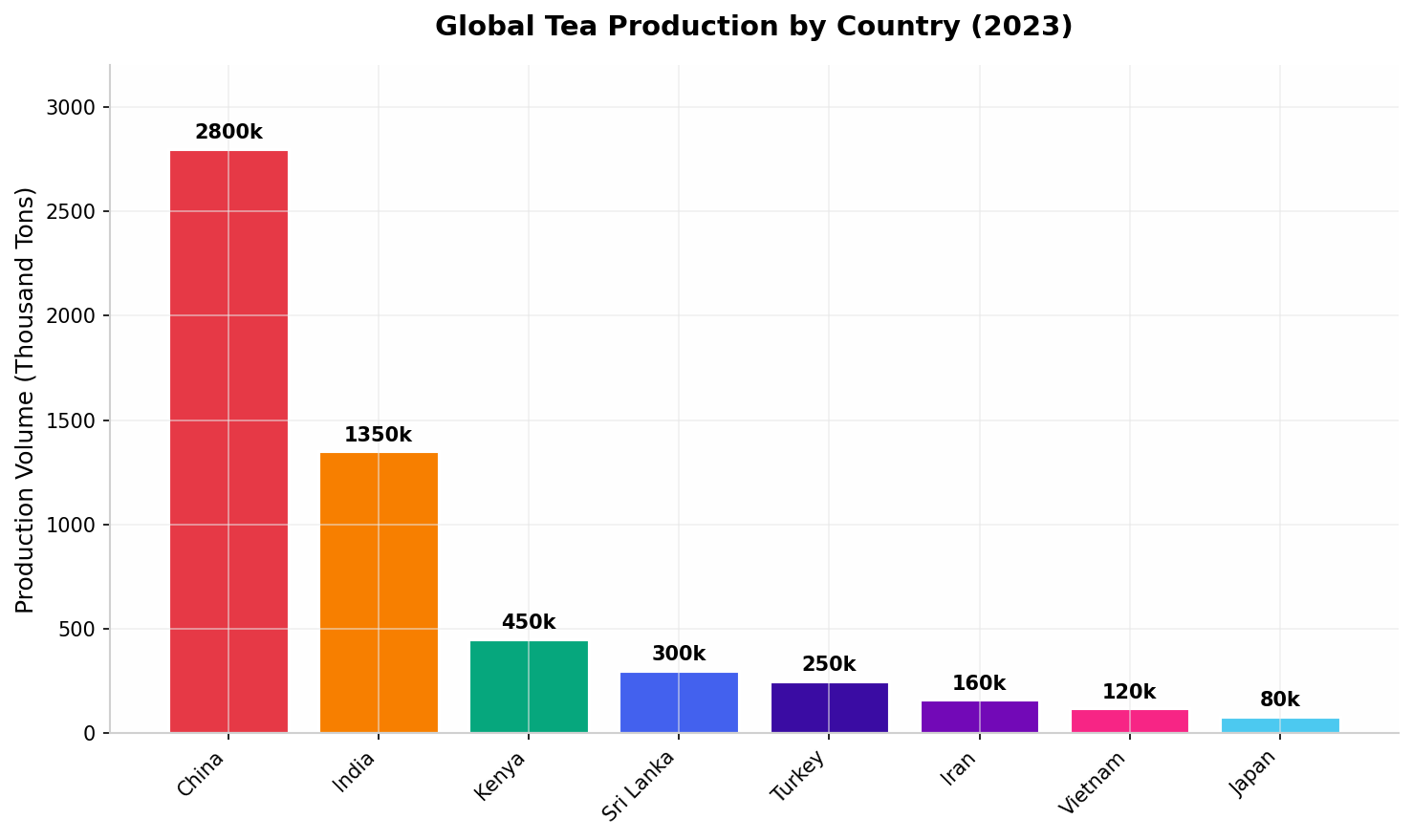
Tea trade history shaped global economics and culture. When British traders fell in love with Chinese red tea in the 17th century, demand exploded. Britain’s trade deficit with China led to complex geopolitical maneuvers, including the establishment of tea plantations in India and Sri Lanka. Today’s global tea industry owes its existence to these early trade relationships.
“I used to think all green teas tasted the same until I tried proper loose-leaf Dragon Well from Hangzhou. The difference between that and supermarket tea bags is like comparing fresh garden vegetables to canned ones. Now I understand why the Chinese have been perfecting this art for thousands of years.”
– Sarah Chen, Tea Enthusiast from California
Final Thoughts – Your Green Tea Journey Starts Here
Learning how to say green tea in Chinese (绿茶) opens doors to a rich cultural tradition spanning millennia. Whether you’re exploring Chinese tea black varieties, comparing oolong and green tea benefits, or simply seeking a healthier beverage option, understanding the fundamentals enhances your appreciation and results.
The key takeaways for any tea enthusiast are simple yet profound. Use proper water temperature (160-185°F), respect steeping times, choose quality loose-leaf tea, and store it correctly. These basics will transform your tea experience from disappointing to delightful.
Remember that tea is both science and art. While research provides guidelines for optimal brewing and health benefits, personal preference ultimately determines your perfect cup. Experiment with different varieties, brewing methods, and ratios until you find what works for you.
The world of Chinese tea offers endless exploration. From the grassy freshness of Japanese Sencha to the nutty complexity of Chinese Dragon Well, each variety tells a story of terroir, tradition, and craftsmanship. Your journey into tea culture starts with a single perfect cup.
Pro Tip – Start your green tea journey with a high-quality Chinese Dragon Well (Longjing) or Japanese Sencha. These varieties are forgiving for beginners while showcasing the best characteristics of green tea. Invest in a simple thermometer and timer to ensure consistent brewing as you develop your technique.
Heightgao

I have been researching the health benefits of tea for five years, and I am also very passionate about tea culture.